Repsol Honda Team
ActiveAbout Repsol Honda Team
The Repsol Honda Team stands as one of the most iconic and successful outfits in the history of MotoGP, with a legacy that spans over four decades. Founded in 1982, the team emerged from a partnership between Honda Racing Corporation (HRC) and Spanish oil giant Repsol, creating a collaboration that would dominate Grand Prix motorcycle racing for years to come. Based in Tokyo, Japan, the team has been a cornerstone of Honda’s factory efforts in the premier class, blending cutting-edge engineering with a relentless pursuit of victory. From its inception, the team was designed to showcase Honda’s technical prowess while leveraging Repsol’s branding and support, forming a powerhouse that would attract some of the greatest riders in the sport.
Throughout its storied history, the Repsol Honda Team has amassed an enviable collection of championships and race wins, solidifying its place as a MotoGP dynasty. The team has claimed over 20 world titles across various classes, with a significant portion coming in the premier category. Its golden era in the 1990s and early 2000s saw an almost unbroken streak of dominance, thanks to legendary riders like Mick Doohan, who secured five consecutive 500cc titles from 1994 to 1998. The transition to the MotoGP era in 2002 only strengthened Honda’s grip, with riders such as Valentino Rossi, Nicky Hayden, and Casey Stoner adding to the team’s trophy cabinet. The most prolific period, however, came with Marc Márquez, who joined in 2013 and immediately redefined the sport’s competitive landscape. Márquez’s six premier-class titles with the team, including a historic run of four in a row from 2016 to 2019, cemented Repsol Honda’s reputation as a breeding ground for champions.
The team’s roster reads like a who’s who of motorcycle racing royalty. Beyond Doohan, Rossi, and Márquez, other notable names include Alex Crivillé, who delivered Honda’s first 500cc title in the Repsol era in 1999, and Dani Pedrosa, a loyal servant whose consistency and technical feedback were instrumental in developing the RC213V into a race-winning machine. Each rider brought a unique style and contributed to the team’s evolving philosophy, whether it was Doohan’s ruthless precision, Rossi’s flamboyant brilliance, or Márquez’s fearless aggression. These riders didn’t just win races—they shaped the identity of the team, creating a culture of excellence that continues to inspire the next generation.
Technically, the Repsol Honda Team has always been at the forefront of innovation, with HRC’s engineers pushing the boundaries of motorcycle design. The team’s approach has traditionally emphasized a rider-centric development philosophy, tailoring the bike to suit the strengths of its star competitors. Honda’s RC213V, the team’s weapon of choice in the MotoGP era, has been renowned for its agility and power, though it has also faced criticism for its demanding nature, requiring a specific riding style to extract maximum performance. The collaboration between riders and engineers has been key, with feedback loops driving continuous improvements in aerodynamics, electronics, and chassis dynamics. Honda’s willingness to take risks—such as its early adoption of seamless gearboxes and aggressive engine configurations—has often given the team a technical edge, even as the competition has grown fiercer.
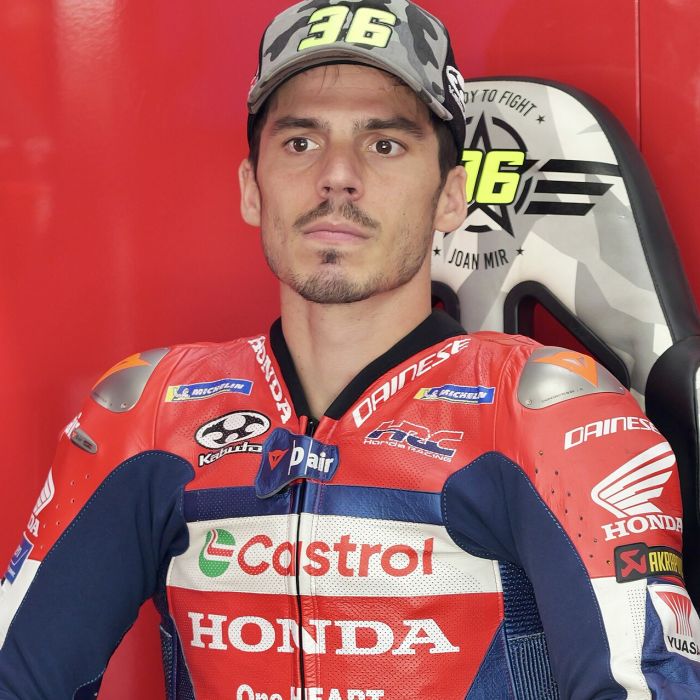
In recent years, however, the team has faced challenges in maintaining its dominance. The 2020s have been a period of transition, with Márquez’s career interrupted by injuries and the RC213V struggling to adapt to the evolving technical regulations and tire specifications. The rise of rivals like Ducati and KTM has shifted the competitive balance, forcing Honda to rethink its strategy. Despite these hurdles, the team remains a formidable force, with a renewed focus on rebuilding its competitive edge. The signing of young talents like Joan Mir and the continued involvement of Márquez, when fit, signal a commitment to returning to the top. The 2023 season, in particular, highlighted both the team’s struggles and its potential, with flashes of brilliance amid inconsistent performances.
The Repsol Honda Team’s headquarters in Tokyo serve as the nerve center of its operations, housing HRC’s state-of-the-art research, development, and manufacturing facilities. The Tokyo base is where the RC213V is conceived and refined, with engineers working tirelessly to optimize every component. The team’s European operations, meanwhile, are managed from a satellite facility in Spain, ensuring close coordination with the MotoGP calendar’s European-heavy schedule. This dual-base structure allows Honda to leverage its Japanese engineering heritage while maintaining a strong presence in the heart of the MotoGP paddock.
Leading the team through its recent challenges is Alberto Puig, a former Grand Prix rider himself who took over as team manager in 2018. Puig’s tenure has been marked by a no-nonsense approach, focusing on discipline, accountability, and a clear competitive vision. His deep understanding of the sport, both as a rider and a manager, has been crucial in navigating the team through turbulent times. Under his leadership, the team has worked to strengthen its technical partnerships, improve rider development, and foster a culture of resilience. Puig’s ability to manage high-profile personalities, from Márquez to new recruits, has been instrumental in keeping the team cohesive despite external pressures.
The Repsol Honda Team’s legacy is undeniable, and its future, while uncertain, is brimming with potential. As MotoGP continues to evolve with new technical regulations and a growing field of competitive manufacturers, the team’s ability to adapt will be tested. Yet, with a foundation built on championship-winning pedigree, relentless innovation, and a roster of riders capable of greatness, the Repsol Honda Team remains a cornerstone of the sport—a symbol of what happens when engineering excellence meets racing passion. Whether reclaiming its throne or forging a new path, the team’s story is far from over.