
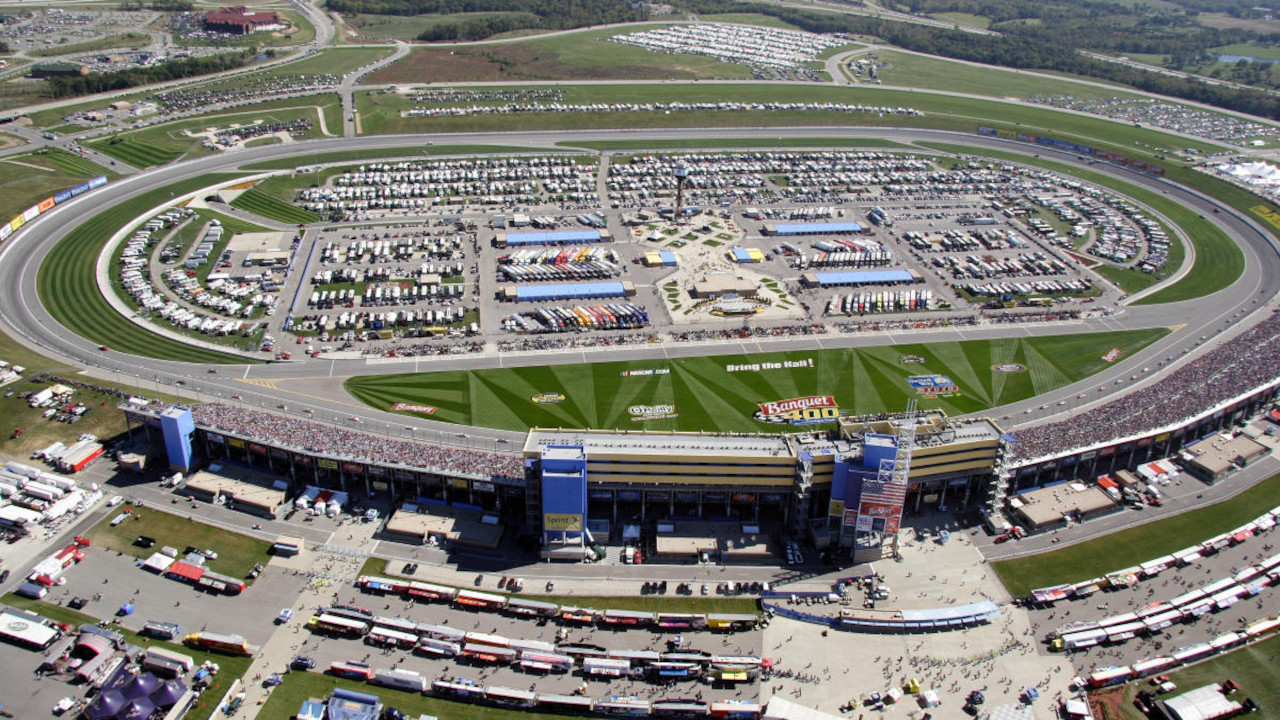
Kansas Speedway
Nestled in the heart of America's heartland, Kansas Speedway stands as one of NASCAR's most distinctive facilities, offering a unique blend of challenging racing conditions and Midwestern hospitality. This 1.5-mile tri-oval has carved out its own identity within the NASCAR Cup Series since opening in the early 2000s, becoming known for producing some of the sport's most memorable battles and unexpected outcomes. Built on the site of a former agricultural area in Kansas City, Kansas, the speedway was designed to bring premier motorsports entertainment to a region hungry for top-tier racing action. The facility's construction represented a significant investment in the area's sporting infrastructure, creating a world-class venue that would serve racing fans across the Great Plains and beyond. From its inception, Kansas Speedway was engineered to meet the demanding specifications required for NASCAR's premier series while incorporating modern amenities and safety features. The track's configuration presents a fascinating challenge for drivers and teams alike. Unlike many of its sister facilities in NASCAR's lineup of intermediate speedways, Kansas Speedway features progressive banking that increases from the inside to the outside of the racing surface. This variable banking creates multiple racing grooves, allowing drivers to choose different lines around the track depending on their car's handling characteristics and race strategy. The front stretch measures longer than the back stretch, creating an asymmetrical layout that adds complexity to aerodynamic packages and setup decisions. One of the most distinctive features of Kansas Speedway is its relatively flat banking in the turns compared to other intermediate tracks on the circuit. The banking measures approximately 15 degrees in turns one and two, and 17 degrees in turns three and four, with additional progressive banking that allows the track surface to bank up to 20 degrees on the outside edge. This configuration, combined with the track's width of approximately 75 feet, creates opportunities for side-by-side racing and multiple passing zones throughout each circuit of the facility. The racing surface at Kansas Speedway has evolved significantly since the track first opened. Originally constructed with a concrete surface, the track underwent a major reconfiguration that included the installation of an asphalt racing surface, which eventfulally changed the racing characteristics and driver approach to the facility. This transformation marked a pivotal moment in the track's history, as it shifted from producing single-file, aerodynamically dependent racing to creating opportunities for more diverse racing lines and passing opportunities. Kansas Speedway's location in the geographic center of the United States has made it a popular destination for fans traveling from across the region. The facility's capacity of 48,000 provides an intimate atmosphere compared to some of NASCAR's larger venues, while still offering excellent sightlines from virtually every seat in the facility. The speedway's design incorporates modern amenities including wide concourses, diverse food and beverage options, and comprehensive fan engagement areas that reflect the track's commitment to providing a complete entertainment experience. Weather has played a significant role in many of Kansas Speedway's most memorable moments. The facility's location in "Tornado Alley" has led to several rain delays and weather-related complications that have affected race outcomes and created eventful storylines. The track's exposure to prairie winds also creates unique aerodynamic challenges for drivers, as crosswinds and shifting wind patterns can significantly impact car handling and race strategy throughout an event. The speedway has become particularly known for producing unexpected winners and eventful finishes. The track's characteristics often reward drivers who can adapt their driving style throughout a race, as track conditions and tire wear create evolving challenges from green flag to checkered flag. Kansas Speedway's pit road and garage area were designed with modern NASCAR operations in mind, featuring wide pit stalls and comprehensive garage facilities that can accommodate the complex logistical requirements of contemporary NASCAR competition. The facility's infrastructure supports not only Cup Series events but also other NASCAR touring series and driving experiences that bring racing action to the facility throughout the year. The economic impact of Kansas Speedway extends well beyond race weekends, as the facility serves as a catalyst for tourism and economic development in the Kansas City metropolitan area. The speedway has become a landmark destination that attracts visitors from across the Midwest and beyond, contributing significantly to the local hospitality and service industries while providing high-profile exposure for the region on national television broadcasts. Today, Kansas Speedway continues to evolve as both a racing facility and entertainment destination. The track remains committed to providing challenging, competitive racing while enhancing the fan experience through facility improvements and expanded programming. Its position as one of NASCAR's newer facilities allows it to incorporate modern design principles and technologies while maintaining the essential character that has made it a respected and challenging venue for the sport's top competitors. The speedway's future appears bright as it continues to build upon its reputation for producing compelling racing and serving as a premier entertainment destination in the American heartland, maintaining its important role in NASCAR's diverse portfolio of racing venues.