Red Bull Racing
ActiveAbout Red Bull Racing
Red Bull Racing, one of the most successful and dynamic teams in modern Formula 1, has carved out a formidable reputation since its inception in 2005. Founded by Austrian energy drink giant Red Bull GmbH, the team emerged from the ashes of the Jaguar Racing squad, which Red Bull acquired from Ford. From the outset, the team was built on a foundation of boldness, innovation, and a commitment to pushing boundaries—both on and off the circuit. Headquartered in Milton Keynes, United Kingdom, Red Bull Racing quickly established itself as a force to be reckoned with, blending cutting-edge technology with a daring racing philosophy. Under the leadership of Team Principal Christian Horner, the team has grown into a championship-winning powerhouse, securing six Constructors' Championships and nurturing some of the sport’s most talented drivers.
The team’s early years were marked by steady progress, but it wasn’t until the introduction of the revolutionary aerodynamic regulations in 2009 that Red Bull Racing truly came into its own. The RB5, designed by Adrian Newey—one of the most celebrated engineers in F1 history—proved to be a game-changer. That season, Sebastian Vettel and Mark Webber delivered the team’s first victories, setting the stage for a period of dominance. Between 2010 and 2013, Red Bull Racing and Vettel were virtually unstoppable, securing four consecutive Drivers’ and Constructors’ Championships. The RB6, RB7, RB8, and RB9 cars were masterclasses in aerodynamic efficiency, with Newey’s designs exploiting the blown diffuser and exhaust-coanda effect to perfection. Vettel’s relentless consistency and Webber’s tenacity made them a formidable pairing, cementing Red Bull’s place at the pinnacle of the sport.
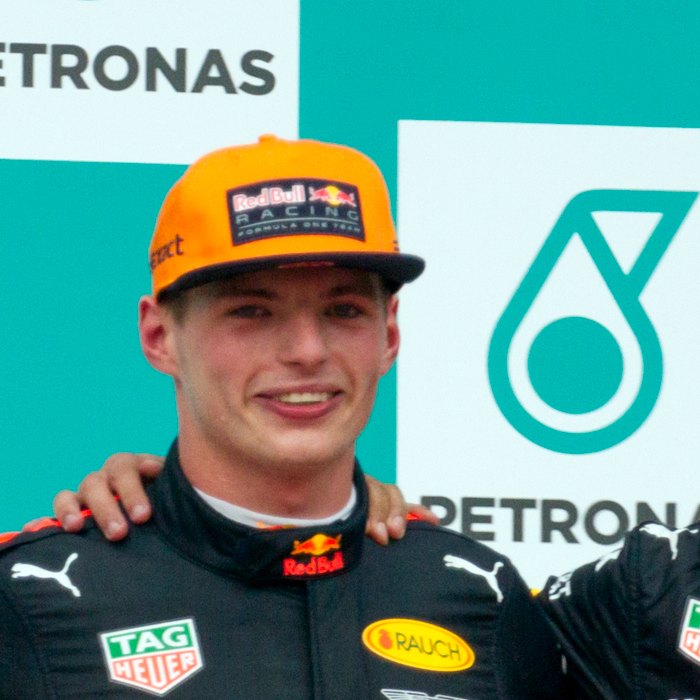
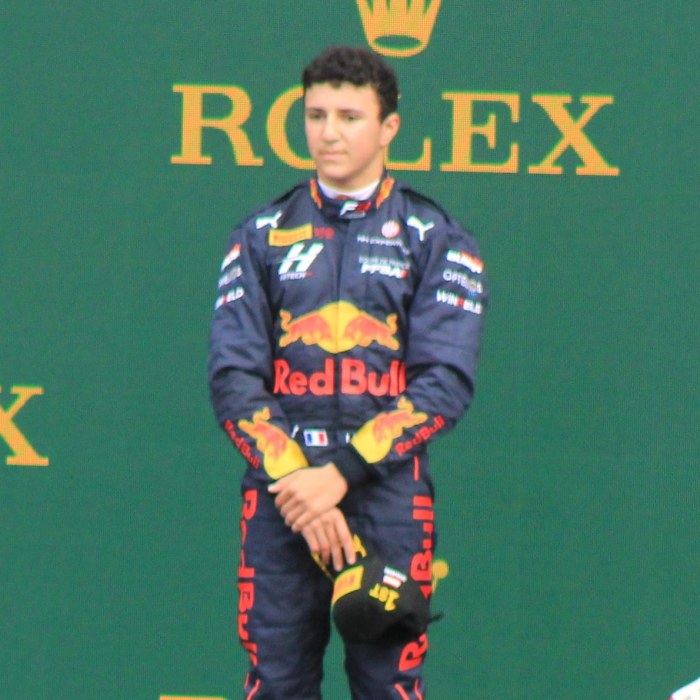
The team’s roster of drivers reads like a who’s who of F1 talent. Beyond Vettel and Webber, Red Bull Racing has been instrumental in developing future stars through its sister team, Scuderia AlphaTauri (formerly Toro Rosso). Max Verstappen, the youngest driver ever to compete in F1, was promoted to Red Bull Racing in 2016 and has since become the team’s talisman. His aggressive yet calculated driving style, combined with relentless racecraft, has made him a multiple-time world champion, spearheading the team’s resurgence in the hybrid era. Other notable names include Daniel Ricciardo, whose audacious overtakes and seven race wins between 2014 and 2018 made him a fan favorite, and Pierre Gasly, who briefly held a seat before returning to AlphaTauri. The team’s commitment to nurturing young talent through its driver academy—producing stars like Carlos Sainz Jr. and Alex Albon—further underscores its long-term vision.
Red Bull Racing’s technical philosophy has always been defined by innovation and adaptability. Adrian Newey’s influence cannot be overstated; his ability to interpret regulations creatively has given the team a competitive edge time and again. The RB cars are renowned for their aerodynamic prowess, often featuring aggressive rake angles and intricate front-wing designs that maximize downforce. The team’s partnership with Honda, which began in 2019 and evolved into Red Bull Powertrains (RBPT) after Honda’s official exit, has been another critical factor in its recent success. The collaboration yielded a power unit that combined reliability with performance, enabling Verstappen to challenge Mercedes’ dominance. Red Bull Racing’s in-house engine division, RBPT, now ensures the team has greater control over its future power unit development, a strategic move that could shape the next era of F1.
In the current era, Red Bull Racing has reasserted itself as the team to beat. The 2021 season was a turning point, with Verstappen clinching his first Drivers’ Championship in a fiercely contested battle against Lewis Hamilton. The team’s RB16B and subsequent RB18 (2022) and RB19 (2023) cars have been dominant, with Verstappen securing back-to-back titles and Red Bull reclaiming the Constructors’ Championship in 2022 for the first time since 2013. The RB19, in particular, was one of the most dominant cars in F1 history, winning all but one race in the 2023 season. This resurgence has been underpinned by strategic brilliance, operational excellence, and a relentless pursuit of perfection—hallmarks of the team’s culture.
The team’s headquarters in Milton Keynes is a state-of-the-art facility that reflects its ambition. The Red Bull Technology Campus houses advanced wind tunnels, simulation tools, and manufacturing capabilities, allowing the team to develop and refine its cars with precision. The proximity to key suppliers and the UK’s motorsport hub provides a logistical advantage, while the facility’s expansion—including a new powertrains division—demonstrates Red Bull’s long-term commitment to F1. The campus is a hive of innovation, where engineers, designers, and strategists collaborate to maintain the team’s competitive edge.
Central to Red Bull Racing’s success has been the leadership of Christian Horner, the longest-serving team principal on the current grid. Appointed in 2005 at just 31 years old, Horner has overseen the team’s transformation from midfield contenders to serial winners. His management style blends pragmatism with ambition, fostering a culture where risk-taking is encouraged but calculated. Horner’s ability to navigate political battles, manage star drivers, and extract maximum performance from his team has been instrumental in Red Bull’s achievements. His partnership with Adrian Newey and Helmut Marko—Red Bull’s driver development chief—has created a triumvirate of leadership that balances technical brilliance with strategic acumen.
As Formula 1 continues to evolve, Red Bull Racing remains at the forefront, combining innovation, talent, and relentless determination. With a blend of experienced leadership, emerging stars, and cutting-edge technology, the team is well-positioned to add to its six championships in the years ahead. Whether through daring design, bold strategy, or the sheer brilliance of its drivers, Red Bull Racing embodies the spirit of competition—always pushing limits, always racing on the edge.