The World Rally Championship is set for a eventful shake-up in 2024, with the Fédération Internationale de l'Automobile (FIA) officially unveiling a 13-round calendar that marks a decisive shift toward European rallying while bidding farewell to fan-favorite Rally Mexico.
The most significant change sees Latvia making its WRC debut, replacing the beloved Estonian round, while Mexico disappears from the schedule entirely after years as a cornerstone of the championship. This European-centric approach has raised questions about whether the series is losing some of its global flavor and the diverse challenges that made it compelling for both drivers and fans.
"This year's calendar offers a fantastic variety of events, showcasing the best of what rallying has to offer," stated FIA President Mohammed Ben Sulayem, though the conspicuous absence of Mexico suggests the definition of 'variety' may be evolving.

"This year's calendar offers a fantastic variety of events, showcasing the best of what rallying has to offer,"

The season maintains its traditional opening with Rally Monte Carlo, though with a twist. Scheduled to commence January 25 – one week later than usual – the iconic event will see its service park return to Gap city, emphasizing what organizers call "a return to the rally's historical roots." The move back to Gap represents more than logistical convenience; it's a nod to rallying purists who appreciate the sport's heritage.
"The atmosphere in Monte Carlo is unlike anything else; it's the perfect way to start the season," said 2022 WRC champion Sébastien Ogier. "The driving conditions can be extremely challenging, setting the tone for the year ahead." Monte Carlo's reputation for icy roads and unpredictable weather conditions makes it the ultimate test of adaptability – qualities drivers will need throughout the revamped calendar. The Scandinavian round continues to offer a stark contrast to Monte Carlo, with fresh, snowy terrains replacing the ice-covered roads that characterize the season opener.

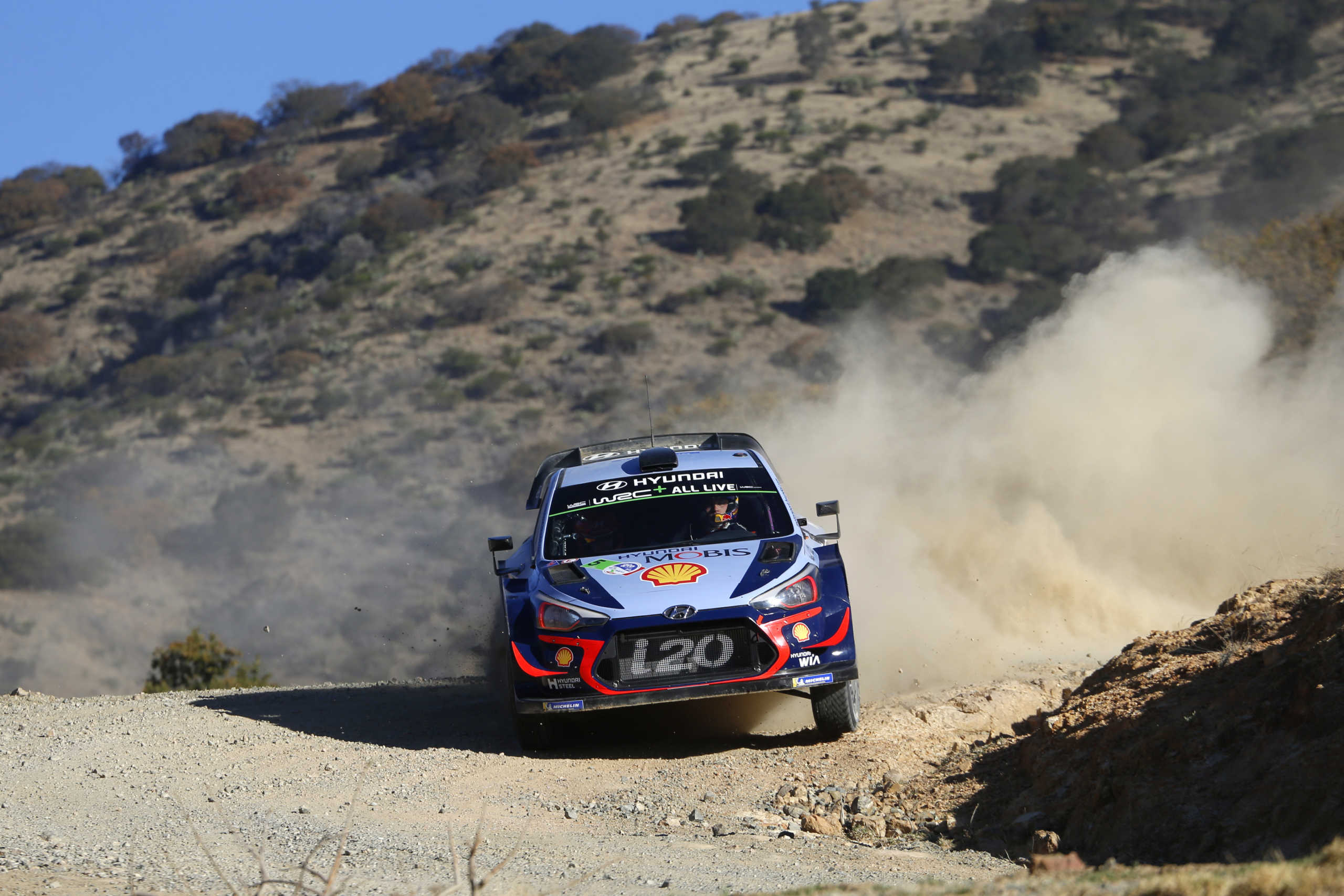
Perhaps the most intriguing calendar adjustment involves Safari Rally Kenya, which moves from its traditional June slot to March 28-31. This shift could fundamentally alter the character of one of rallying's most iconic events. Last year's Safari was plagued by severe rainy conditions that transformed stages into muddy hazards, creating a slippery nightmare for competitors.
"Moving to a March event may bring about an entirely different dimension to the Safari Rally," explained WRC team principal Tommi Mäkinen. "The high temperatures and dust will create a new set of challenges for drivers and teams, but that's what makes rallying so competitive."
"Moving to a March event may bring about an entirely different dimension to the Safari Rally,"

The seasonal change means competitors will likely face engine overheating and accelerated tire wear rather than the usual muddy chaos. This transformation from wet to dry conditions could enhance the appeal of an already legendary rally, though it remains to be seen whether fans will embrace this new iteration. Despite being categorized with the gravel events, Croatia is renowned for its treacherous asphalt roads that demand precise tire strategies and technical driving skills.
"The roads here are technical and demand a perfect balance between speed and strategy. It's always a test of skill, and one mistake could mean the end of your rally," noted Croatia Rally director Boro Šimunović.
The gravel season continues with Rally Portugal from May 9-12, featuring notable climbs and the iconic Fafe stage jump that has become synonymous with the event. Rally Italia Sardegna, scheduled for June 30 to July 2, presents what many consider the toughest gravel challenge on the calendar, where precision often trumps pure speed.
Two significant additions mark the calendar's European emphasis. Rally Poland returns with its rich heritage as the second-oldest rally in the WRC, scheduled for June 27. The event promises challenging gravel roads that harken back to rallying's golden era.
"Poland has always been a challenging rally; with tight, technical sections, it's crucial to have both speed and control, depending on how you manage the routes," explained driver Thierry Neuville.
"Poland has always been a challenging rally; with tight, technical sections, it's crucial to have both speed and control, depending on how you manage the routes,"
Rally Latvia debuts on July 18, stepping into the considerable shoes left by Estonia's departure. Estonia had built a reputation for high-speed action and notable jumps, setting a high bar for its replacement. The pressure on Latvia to deliver an equally compelling experience will be immense. While the European focus may streamline logistics and reduce costs, it also raises questions about the championship's commitment to showcasing rallying's global appeal. The absence of Mexico eliminates one of the few non-European rounds, potentially diminishing the diverse challenges that have long defined the sport.
As teams prepare for this reconfigured championship, the 2024 season promises to test not only driving skills but also adaptability to a fundamentally different competitive landscape.