
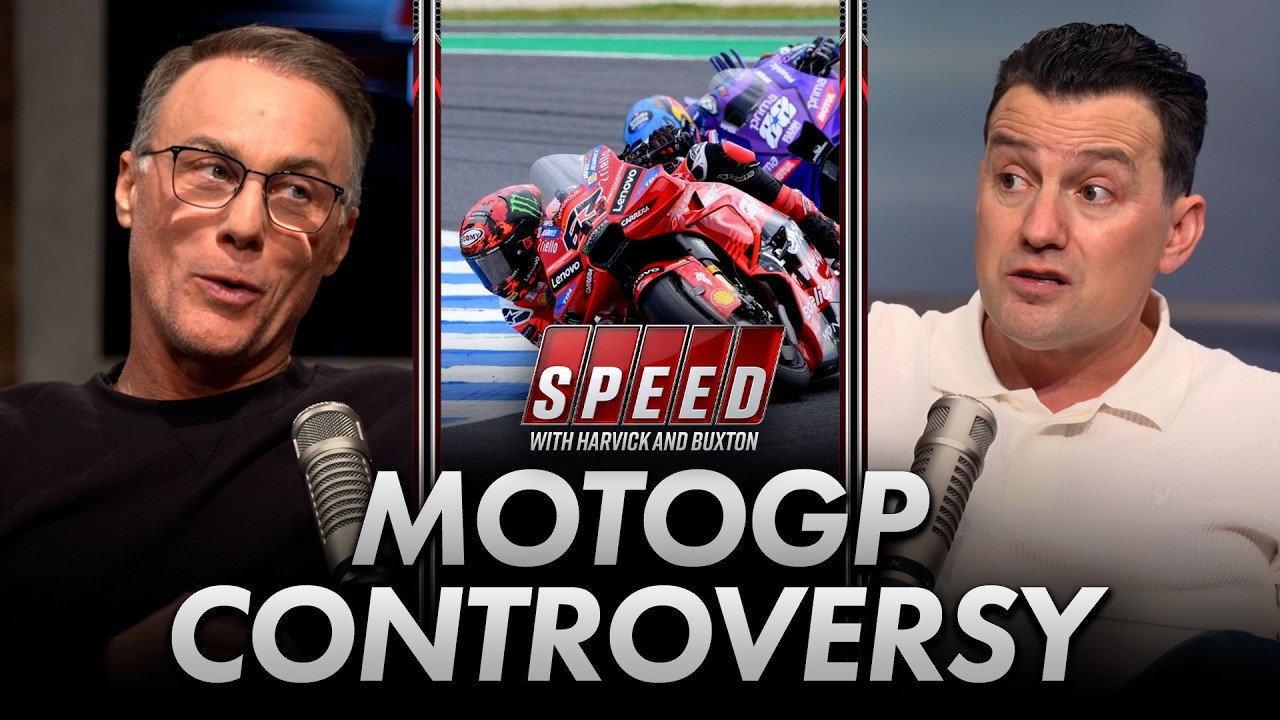
Liberty Media's first major change as MotoGP's new owners has produced its first major broadcaster pushback. Speaking on his SPEED show alongside Kevin Harvick, Will Buxton dedicated a segment to questioning whether MotoGP belongs on a street circuit at all, let alone one that the championship is publicly promoting as a 340 km/h venue.
The move shifts the Australian Grand Prix from Phillip Island, the high-speed seaside circuit that has hosted the round since 1989, to a redrawn version of the Adelaide street circuit that staged Formula 1 races between 1985 and 1995.
Buxton drew a direct line between Liberty's commercial template in Formula 1 and the choice of a city circuit for MotoGP.
"Liberty hasn't been shy in revolutionising the F1 calendar either," he said. "Over the past decade, it's embraced the street circuit model. Saudi Arabia, Miami, Las Vegas, a new race this year in Madrid. A strategy refined by Formula E and perfected commercially in F1. If you want to develop a new market, don't make your fans travel to see the sport. Take the sport to the fans. Put it downtown. Make it unmissable. It's smart business."
The problem, in Buxton's framing, is that Australia is not an emerging MotoGP market that needs unlocking, and that the same logic does not transfer cleanly from cars to bikes.
"Australia is not an emerging market for MotoGP," Buxton said. "It already has one of the most passionate fan bases in the world, multiple world champion riders. It already had one of the greatest circuits in world motorsport. And there's something else Liberty may need to remember. MotoGP is not Formula 1. What worked there might not work in MotoGP. Formula 1 also races on street circuits. MotoGP doesn't. And for good reason."
He was even sharper on the safety case.
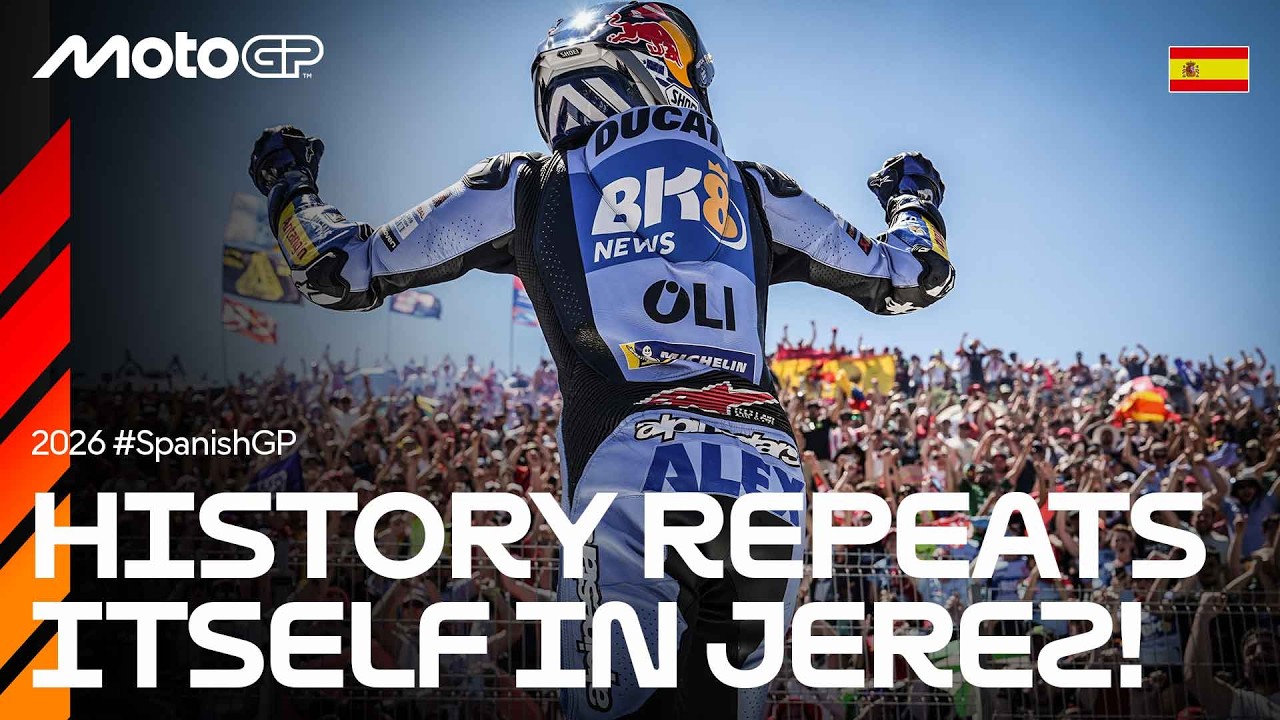
"Motorcycle racing is already one of the most dangerous disciplines in our sport," he said. "There's no cockpit. There's no survival cell. Just millimetres of leather and a helmet between rider and the ultimate consequence. The announcement of the Adelaide race promises uncompromised safety, yes, but also speeds that surpassed the top speed set by F1 in testing last week in Bahrain, and all on a street circuit. So personally, I struggle to see how those two realities comfortably coexist."
Buxton was equally damning on the loss of Phillip Island itself, comparing the venue to other untouchables on the world calendar.
"Phillip Island wasn't just another stop on the calendar. It was rough. It was raw. It was unrelenting, unforgiving, a majestic, undulating, flowing ribbon of asphalt by the sea," he said. "Such was its challenge, such was its tenure and importance, that its place on the calendar was considered unquestionable. Think Talladega for NASCAR. Think Spa for F1. Laguna Seca for IndyCar."
The SPEED segment also flagged the wider precedent. If Phillip Island can be replaced this quickly under new ownership, Buxton argued, no venue is safe from a Liberty review.
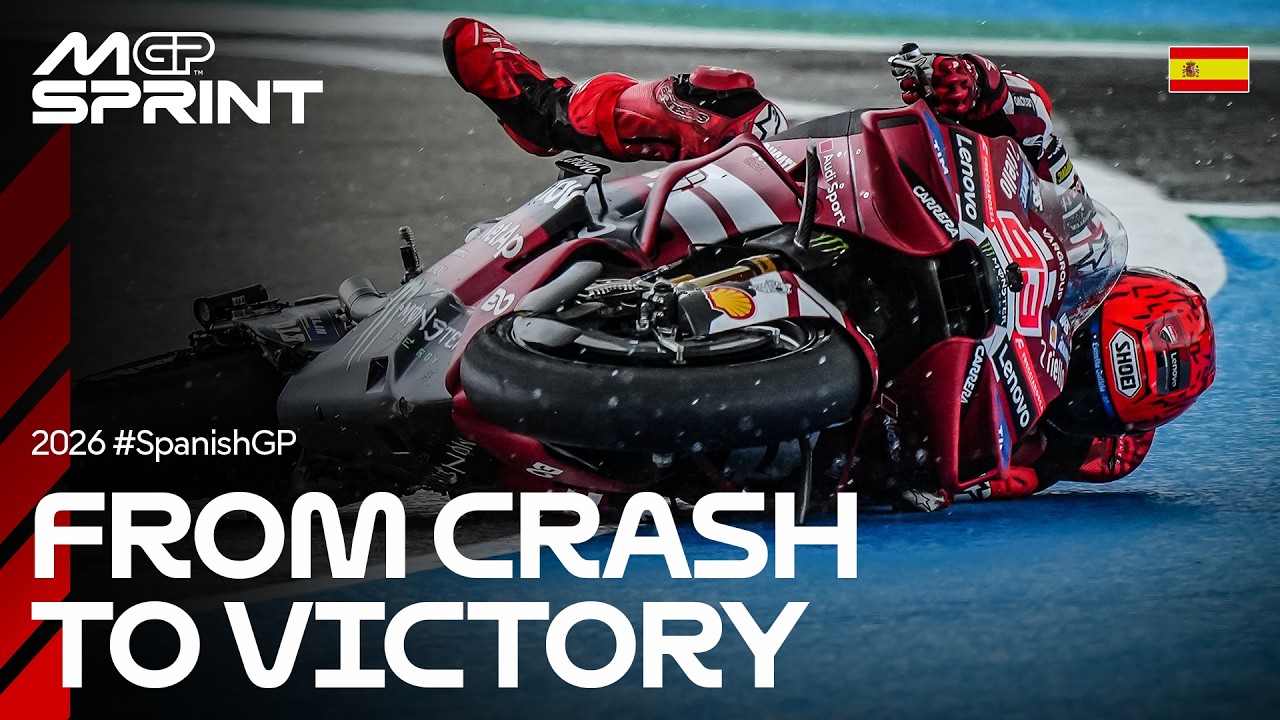
"Facilities, accessibility, investment. The new owners reportedly wanted upgrades that weren't forthcoming," Buxton said. "A new bidder emerged, pressure was applied, and Phillip Island lost its race. And perhaps, just perhaps, a line was drawn. Because if the most beloved circuit on the calendar can be removed this quickly, then theoretically, no venue is safe."
Liberty Media has confirmed the Adelaide round from 2027 and continues to promote uncompromised safety standards for the layout. Buxton's intervention adds to a growing chorus of riders, former champions including Casey Stoner, and now broadcasters openly questioning whether the commercial logic that worked in Formula 1 can survive contact with a 350 horsepower prototype motorcycle hitting concrete walls.