In the world of MotoGP, the qualifying format plays a pivotal role in shaping the race weekend. It’s not just about speed; it’s about strategy and precision. Understanding this process can greatly enhance a fan's experience and appreciation of the sport.
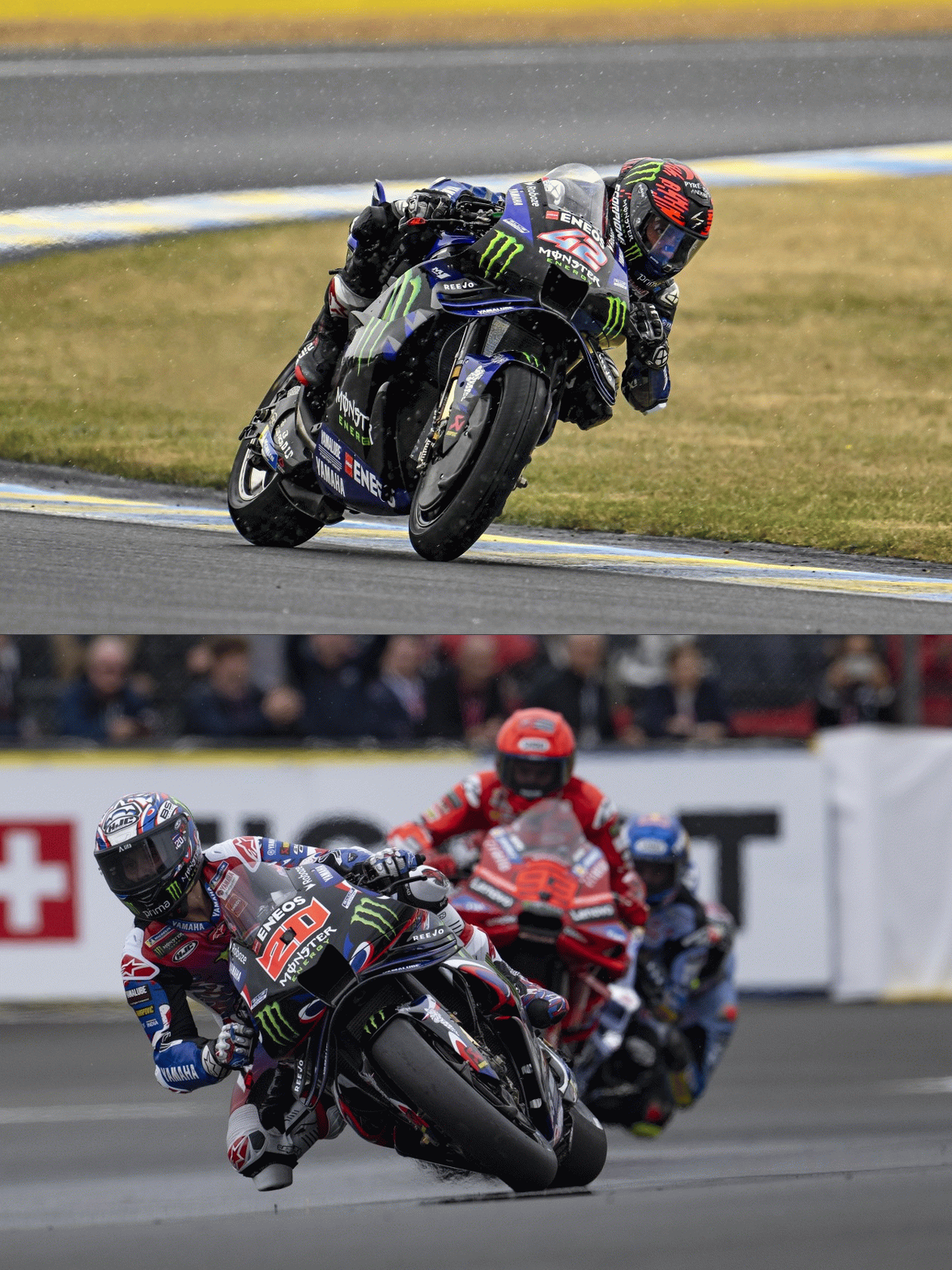
"Qualifying gives the riders a chance to demonstrate their skill, not just in terms of speed, but also in how they manage their machines under pressure," explained Fabio Quartararo, the 2021 MotoGP Champion. The qualifying sessions are designed to determine the grid positions for the race, which can be a game-changer for many competitors.
"Qualifying gives the riders a chance to demonstrate their skill, not just in terms of speed, but also in how they manage their machines under pressure,"

The MotoGP qualifying structure comprises three key sessions: Q1, Q2, and the practice start. This setup ensures that the best riders are at the front of the grid when the race commences. In the first session, Q1, the slower riders compete for a chance to advance to the more competitive Q2.
Qualifying
"In Q1, every millisecond counts. You’re battling against several other riders for just two spots in the next session," noted Francesco Bagnaia, a leading contender this season. Riders in Q1 aim for the fastest lap times to secure a position among the top two, which allows them to progress to the final qualifying round.

Once the two fastest riders from Q1 move on to Q2, the competition intensifies. Q2 features the top competitors from the previous races, and it is here that the pole position for the race is ultimately decided. "Getting a good lap in Q2 is essential. It sets the tone for the race,” highlighted Jorge Martin, emphasizing the importance of this session.
The grid positions established from these sessions can eventfulally affect a rider's chance of success on race day. A favorable start position can allow for a smoother race, avoiding the congestion often seen in the opening laps. "Whether you’re starting at the front or the back, understanding the track and your bike’s capabilities is crucial," remarked Marc Marquez, a renowned champion who has experienced both ends of the grid.
"Whether you’re starting at the front or the back, understanding the track and your bike’s capabilities is crucial,"
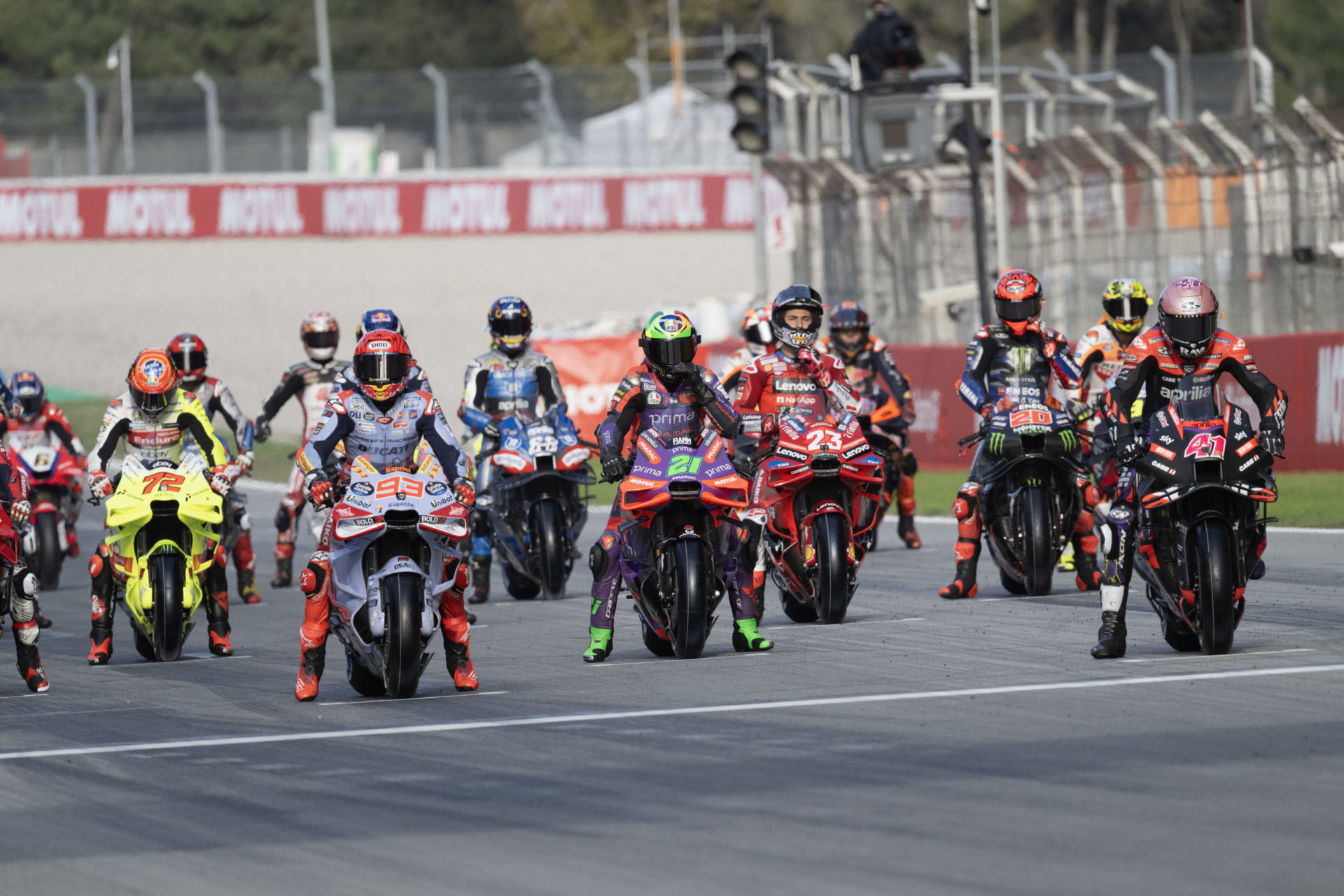
In addition to qualifying sessions, the practice start is implemented to allow riders to practice their launch techniques. This session usually follows Q2, where riders can fine-tune their starts, a critical aspect of any race. "Practicing starts gives us an advantage; we need to know how to manage the bike's power right from the get-go," commented Pedro Acosta, a rising star in the sport.

"Practicing starts gives us an advantage; we need to know how to manage the bike's power right from the get-go,"
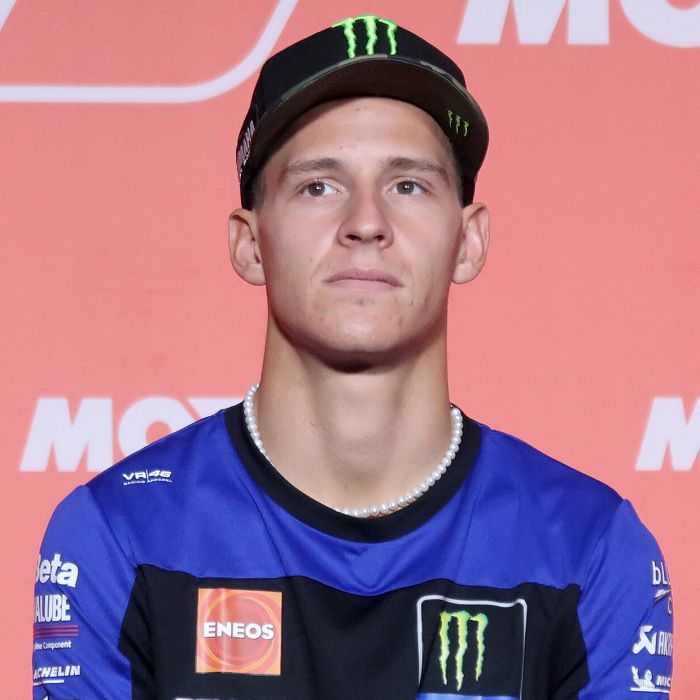
Devising the best strategy for each session often comes down to a blend of technical understanding and instinct. Teams spend substantial time analyzing performance data to prepare their riders. "Our engineers work tirelessly to ensure we maximize performance during every session," noted a team engineer from Aprilia Racing. This collaboration between rider and crew is a vital component of the MotoGP ecosystem.
"Our engineers work tirelessly to ensure we maximize performance during every session,"
As the seasons progress, the atmosphere around qualifying gets charged with anticipation. The dynamics of the qualifying sessions can shift rapidly, with weather changes or unexpected performance improvements altering the landscape. "On any given day, you could see a significant upset in the qualifying order; it keeps the sport exciting," mentioned an analyst close to the paddock.
"On any given day, you could see a significant upset in the qualifying order; it keeps the sport exciting,"
With all these factors at play, the MotoGP qualifying format stands as a testament to the complex interplay between rider skill, team strategy, and sheer speed. As fans gear up for each race weekend, appreciating the intricacies of qualifying adds to the excitement of the races themselves.
In conclusion, the qualifying process in MotoGP is not merely a precursor to the race; it's an event full of suspense and strategy. As each season unfolds, tuning into the qualifying sessions offers insights into the competitors' mindsets, the teams' ambitions, and ultimately, the competitive unpredictability of MotoGP racing. Fans can expect the qualifying battles to become more intense as the stakes continue to rise, shaping a gripping narrative in the world of motorcycle racing.