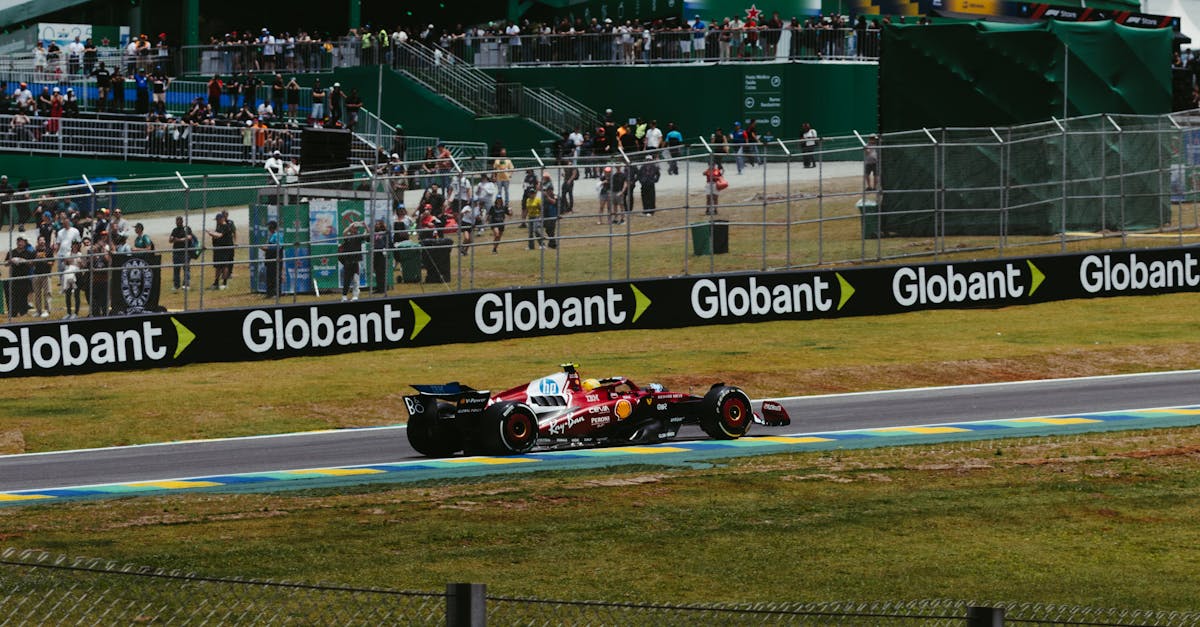
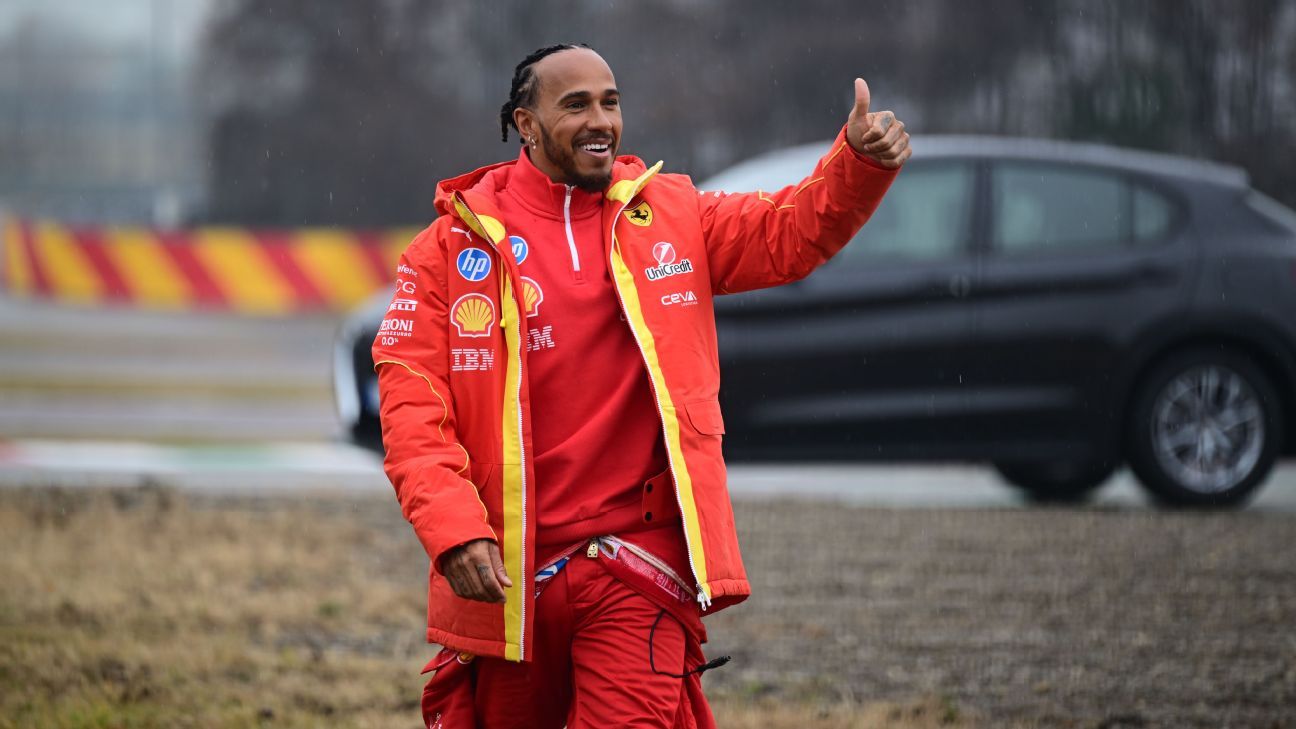
In the fast-paced world of Formula 1, understanding how points are allocated can be crucial for both drivers and teams. The scoring system, while straightforward, encapsulates a wealth of strategy as competitors vie for every available point.
"The higher you finish, the more points you earn," explained a team strategist, emphasizing the direct relation between race position and scoring. Since its overhaul in 2010, the points system has been designed to reward the top finishers in each race, ensuring that even minor placements can contribute to championship standings.
"The higher you finish, the more points you earn,"
Drivers finishing in the top ten positions earn points. The breakdown is as follows: 25 points for the race winner, 18 points for second place, and 15 for third, with descending points down to one for the tenth position. "Finishing well isn’t just about glory; it’s about securing points for the team and yourself," stated a renowned F1 analyst.
"Finishing well isn’t just about glory; it’s about securing points for the team and yourself,"

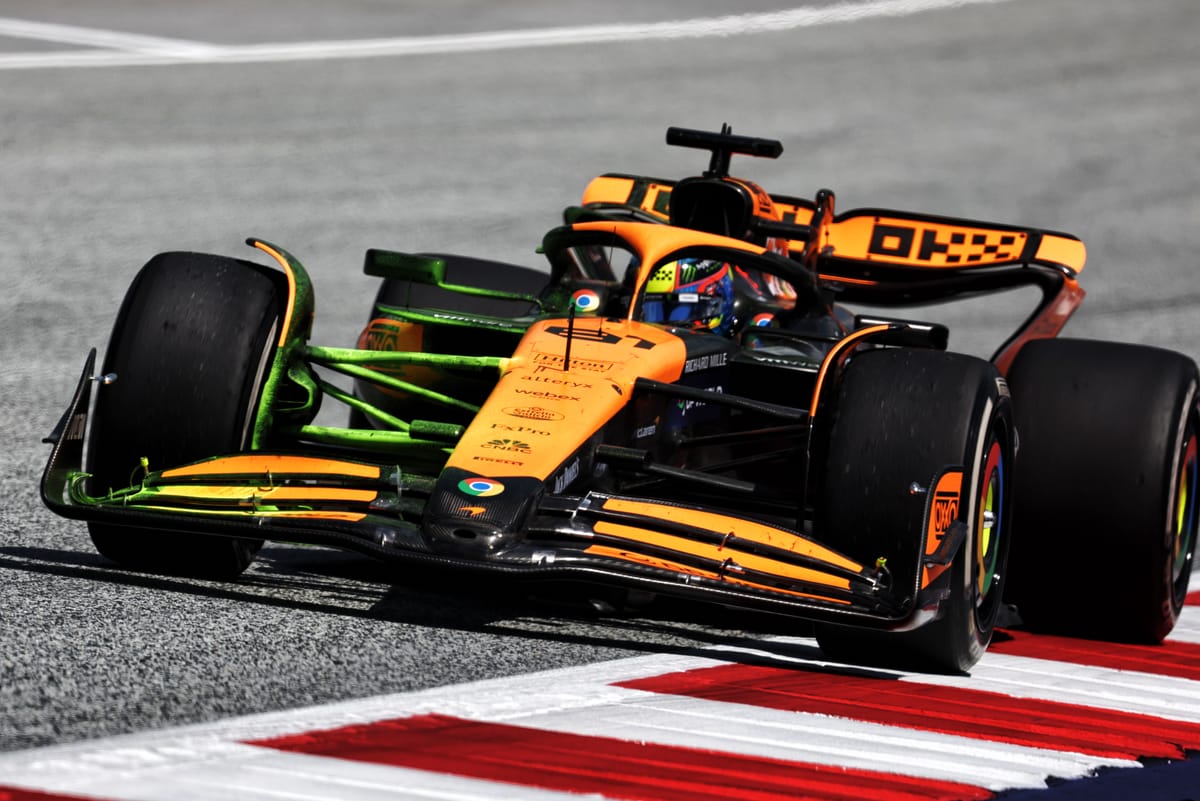
- Between 25% to 50% completion, points are awarded differently, with the first-place driver receiving 13 points.
"It’s crucial to adapt your strategy on the fly; every point counts, especially under unpredictable conditions,"
The intricacies of the points distribution underline the strategic nuances that teams and drivers must navigate throughout the season. It's more than merely a race—each lap, each overtake, and even each pit stop can impact the overall tally.
Stay up to date with all things F1 on the ESPN page for coverage that includes detailed analyses and podcasts. The fight for points continues to be a crucial aspect of F1, shaping both individual and team aspirations on the grid. As the 2025 season unfolds, competitors will be keenly aware that every point is a step closer to glory.