
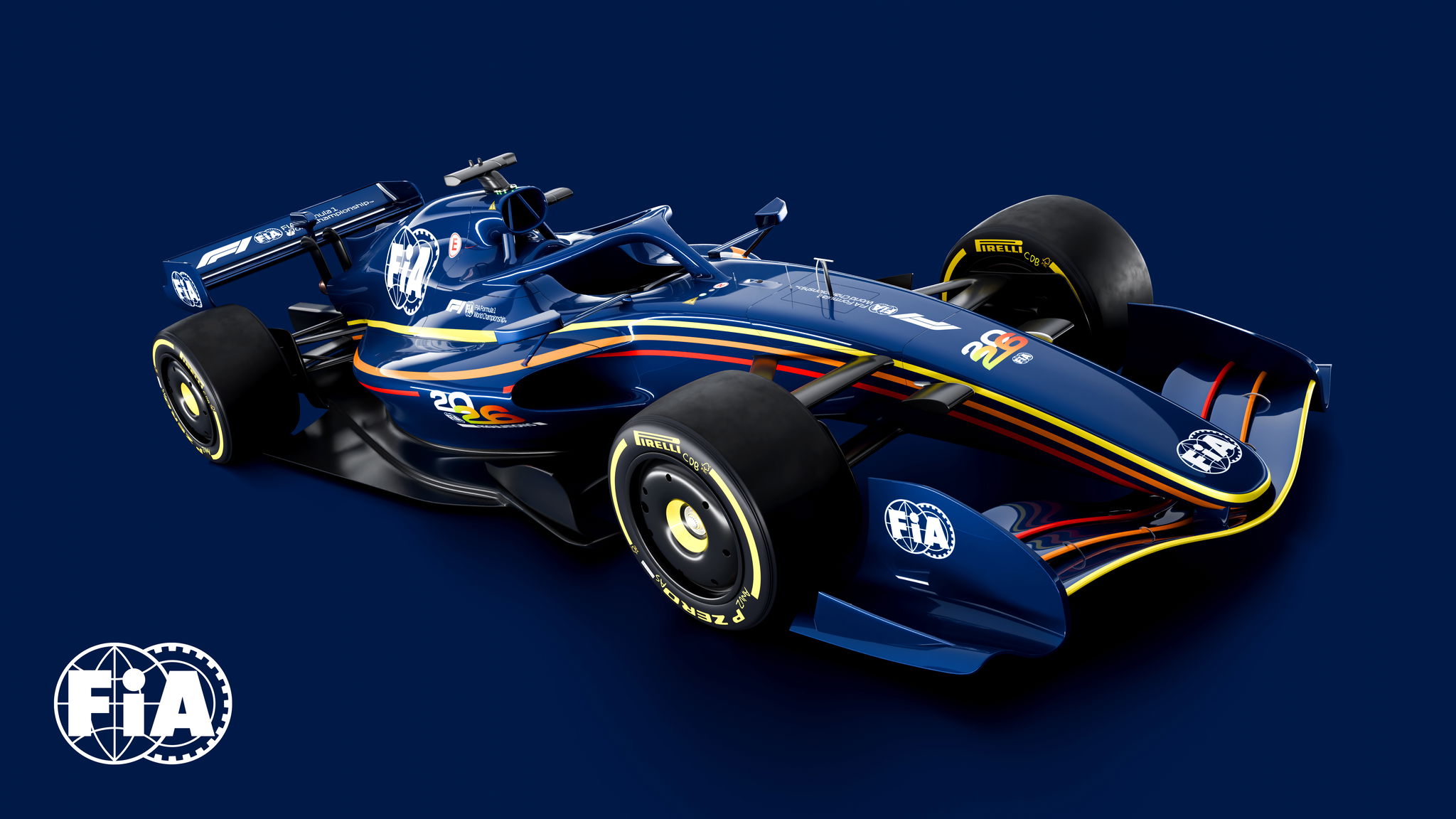
Formula 1 is gearing up for a major transformation as officials unveil the 2026 regulations that will govern the next generation of race cars. The announcement has ignited discussions among teams, drivers, and fans alike, all eager to understand how these changes will impact the high-speed sport.
"We're looking at a new era in Formula 1, one that emphasizes sustainability and performance," stated Ross Brawn, Formula 1's managing director of motorsports. His words underline the sport's commitment to a more environmentally friendly future while maintaining its exhilarating pace.
"We're looking at a new era in Formula 1, one that emphasizes sustainability and performance,"
Among the changes, a significant focus will be on hybrid power units. The new regulations will see a shift towards increased electrical power, with plans to raise the hybrid component's contribution to performance. "The objective is to enhance the hybrid technology while ensuring that we retain the excitement and competitiveness of Formula 1 racing," said Brawn.
"The objective is to enhance the hybrid technology while ensuring that we retain the excitement and competitiveness of Formula 1 racing,"
This transition towards greener technology is part of a broader initiative to reduce the sport's carbon footprint. F1 intends to be a carbon-neutral series by 2030, and the 2026 regulations are a stepping stone toward that vision. "It's all about ensuring that we are at the forefront of sustainability in motorsport," emphasized Brawn.
"It's all about ensuring that we are at the forefront of sustainability in motorsport,"
Impact and Legacy
In addition to engine changes, the regulations also aim to refine the aerodynamic aspects of the cars. The objective is to improve overtaking opportunities, leading to more engaging races. "We've spent a lot of time analyzing aerodynamics and how it impacts racing,” explained Brawn. “We want to make it easier for drivers to compete directly with one another on the track.”
Race Results
Teams will also benefit from a standardized approach to certain components, which could level the playing field in a historically competitive environment. "Standardizing some parts of the car can help smaller teams compete more effectively against larger ones," said Brawn. This change reflects a desire to create a more equitable racing atmosphere, promoting closer races and competitive finishes.
"Standardizing some parts of the car can help smaller teams compete more effectively against larger ones,"
While the 2026 regulations promise competitive developments, they do raise questions about how existing teams and drivers will adapt to these changes. "Every time you introduce new regulations, there’s a period of adjustment," noted team principal Toto Wolff. His acknowledgment highlights the challenges ahead for teams as they navigate technical innovations while maintaining performance.
"Every time you introduce new regulations, there’s a period of adjustment,"
