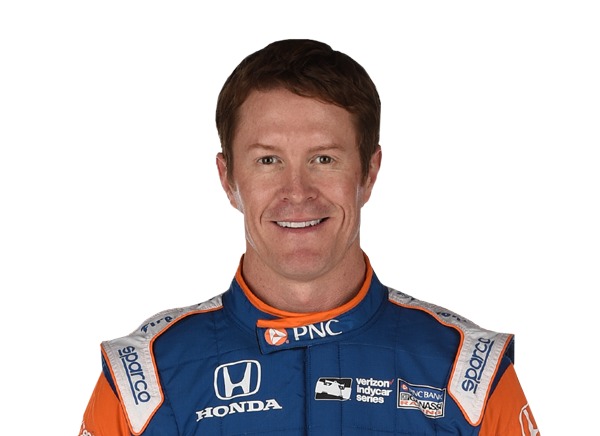
The 2015 Verizon IndyCar Series culminated in a gripping finale at Sonoma Raceway, where Scott Dixon emerged victorious, seizing his fourth Drivers' Championship. This season marked the 20th installment of the IndyCar Series, enveloped in both triumph and tragedy that left an indelible mark on American open-wheel racing.
Dixon's journey to the championship concluded with a eventful final race where he showcased the skill and strategy necessary to edge out fellow driver Juan Pablo Montoya. After a tense season showdown, Dixon stated, "I had to win the pole, the race and lead the most laps to equal Montoya's points tally," illustrating the high stakes that accompanied his title bid.
"I had to win the pole, the race and lead the most laps to equal Montoya's points tally,"
Throughout the season, Dixon demonstrated remarkable consistency but faced significant competition from Montoya, who had earlier secured his victory at the prestigious Indianapolis 500. Montoya finished second in the championship standings, tied on points but falling short on race wins with only two to Dixon's three. "It’s a shame it came down to that, but that’s racing," Montoya remarked post-season, acknowledging the fierce rivalry and the heartbreak of losing on a tiebreaker.
"It’s a shame it came down to that, but that’s racing,"
Race Results

Despite being the reigning champion, Will Power finished third in the standings, trailing both Dixon and Montoya. Power, reflecting on his performance, said, "We had a lot of speed, but it just didn’t come together at the right times. It’s frustrating." His words echoed the sentiments of competitors who struggled to claim consistent victories amidst a season characterized by an array of different race winners.
Tragedy, however, resonated throughout the season after the death of driver Justin Wilson at Pocono, resulting from an accident caused by flying debris from Sage Karam's car. This incident cast a long shadow over the series, leading to introspection among drivers and teams. Dixon expressed the collective sorrow stating, "Justin was a big part of our community. His loss weighs heavily on all of us."
Team Dynamics

As the season drew to a close, significant rule changes were implemented, including modifications to the Indianapolis 500 Rookie Orientation Program that increased speed requirements. The series also eliminated standing starts due to safety concerns from past seasons, and revised pit selection processes based on team performance instead of driver-based methods.
Qualifying processes were updated, allowing time for teams to adapt to the evolving competitive landscape. Each team continued to enjoy two weeks of testing, alongside detailed aero kit modifications particular to Honda and Chevrolet engines, paving the way for enhanced performance.
The competitive nature of the 2015 IndyCar Series has raised expectations for future races, setting an intriguing stage for the 2016 season and highlighting the continuous evolution and adaptation of the sport. In light of Dixon's historic achievement and the lessons drawn from the season's challenges, leaders in the series are already aiming high for what's next. "We will continue to build on this year's momentum and ensure that safety and performance remain at the forefront," said Jay Frye, the series president. With this, the landscape of IndyCar racing remains vibrant and promising as it approaches its next chapter.
"We will continue to build on this year's momentum and ensure that safety and performance remain at the forefront,"