As Formula 1 gears up for a transformative 2025 season, significant rule modifications are set to alter the competitive landscape. While the series is moving toward a larger overhaul in 2026, the upcoming championship will serve as a crucial precursor, introducing key adjustments that attempt to balance fairness and performance.
Among the most noteworthy changes is the removal of the bonus point for the fastest lap, a feature that has been part of the sport since 2019. "The fastest lap point was becoming a distraction, and we want to focus on the overall race performance rather than individual lap times," explained a spokesperson for the FIA.
"The fastest lap point was becoming a distraction, and we want to focus on the overall race performance rather than individual lap times,"
This shift follows a series of criticisms regarding the impact of the bonus point on team strategies throughout races. “We believe this will promote more exciting, competitive racing where every point is earned through team and driver collaboration over the entire distance,” said one prominent team principal, highlighting the significance of the decision.
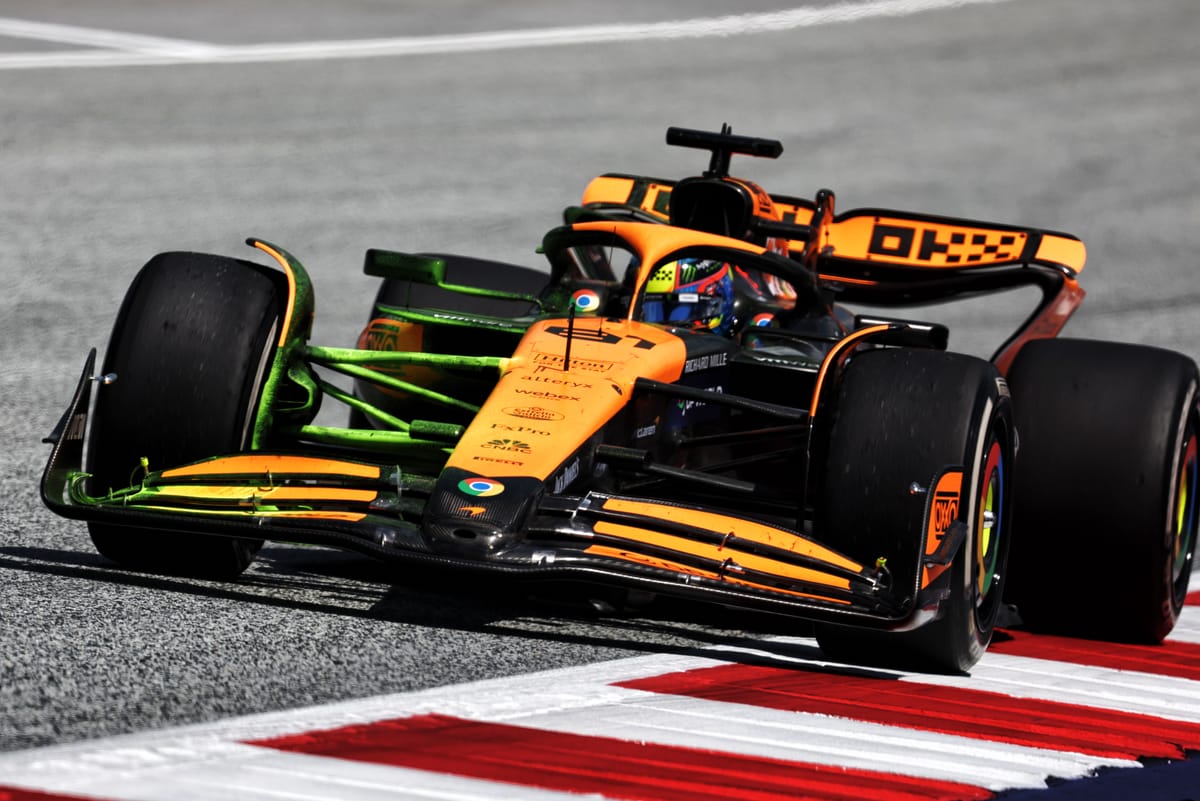
Another major change revolves around flexible components, with stricter regulations aimed at flexible wings. Teams have often pushed the envelope with innovations, leading to varying interpretations of the rules. "We have to ensure that all teams are adhering to the spirit of fair play, and eliminating excessive flexibility is essential for safety and performance integrity,” stated a key official from the FIA.
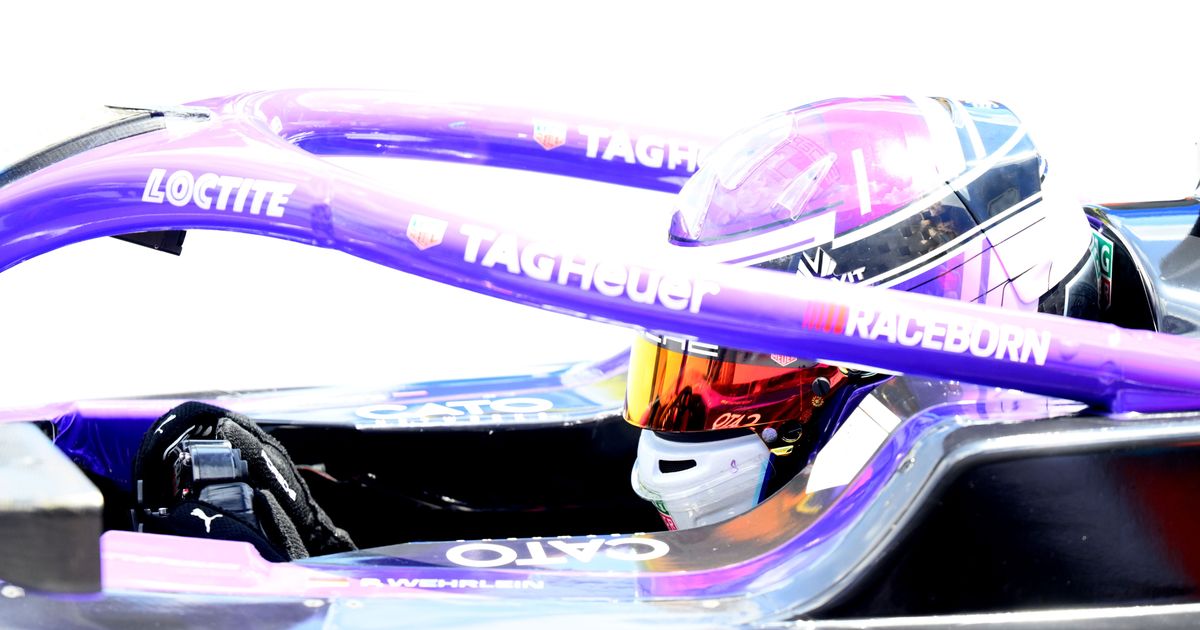
In addition, the introduction of a driver cooling system marks a significant advancement. The system is designed to enhance driver comfort and safety during races, particularly in hotter conditions. “The health and safety of our drivers are paramount, and this innovation addresses the physical demands placed on them,” noted a high-ranking F1 executive.
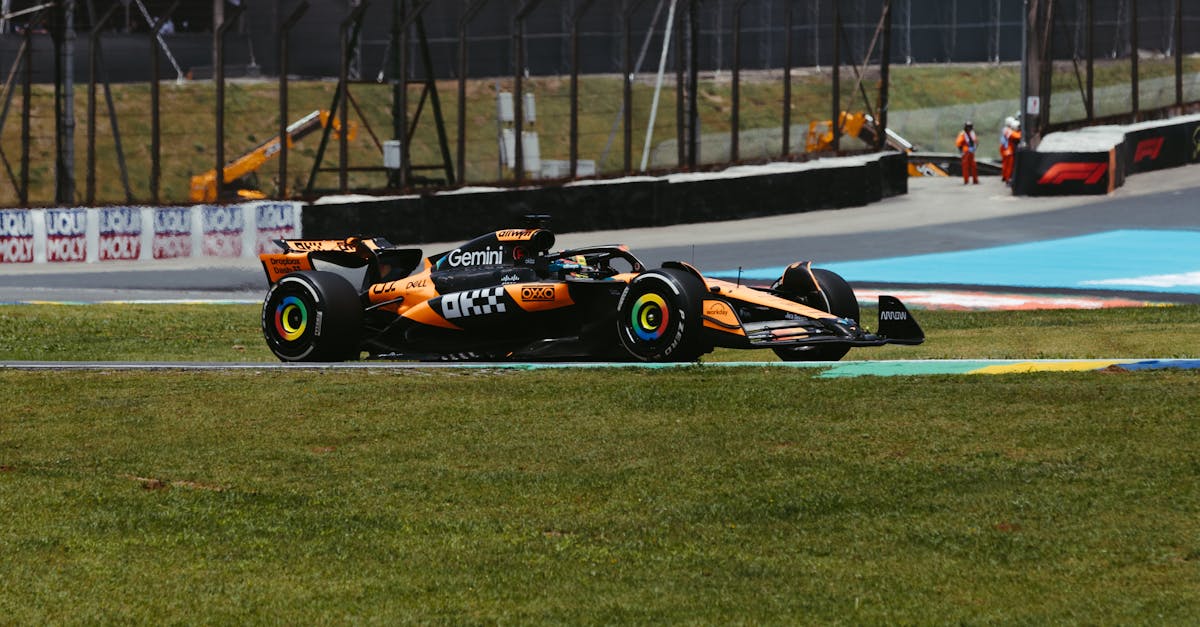
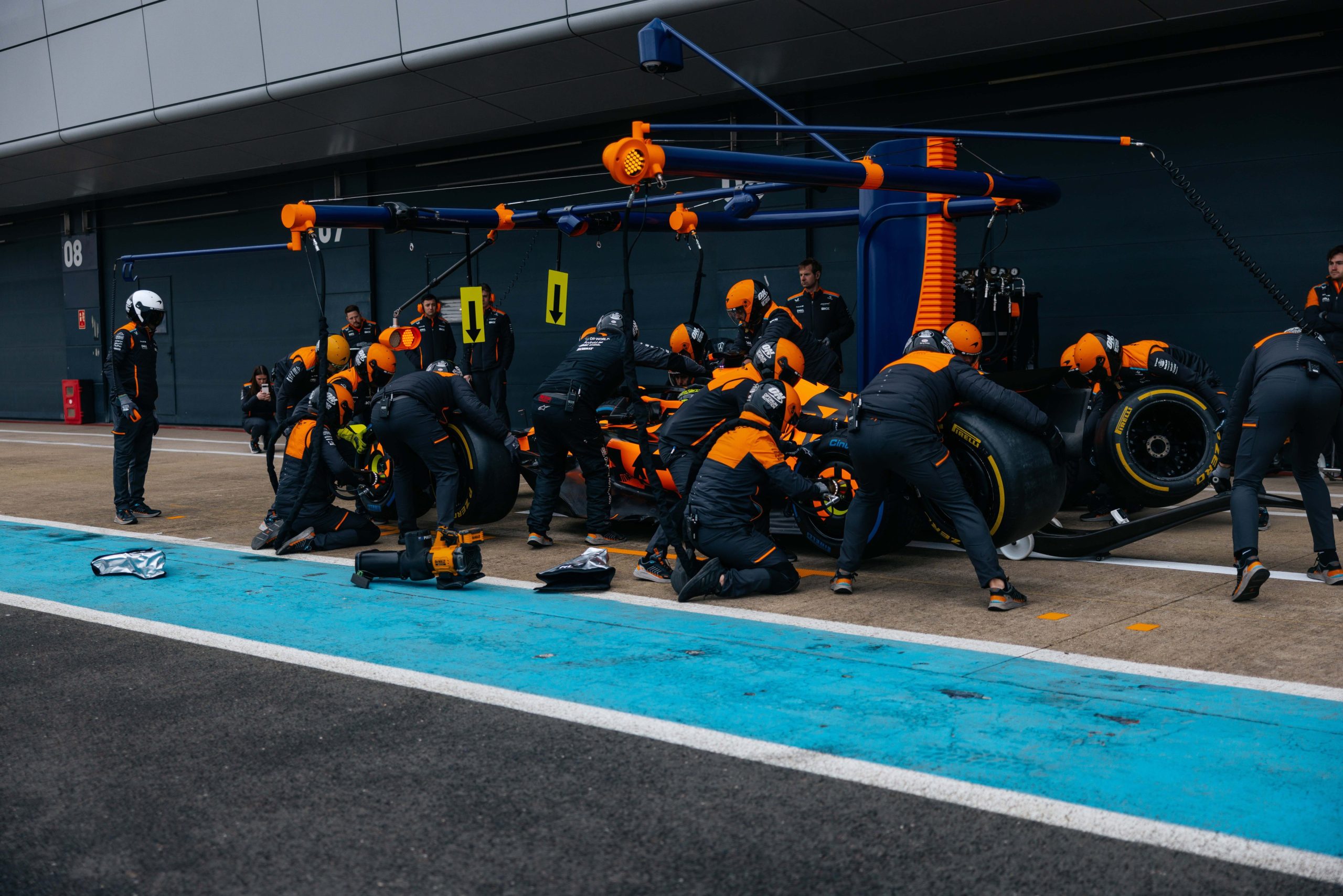
The sport is also adjusting its approach to tire management, implementing clearer protocols on tire wear and longevity. This targets enhancing the competitive aspect of pit strategies, ensuring that teams cannot overly manipulate their pace while maximizing tire performance. “We aim to bring a level of predictability and fairness to tire usage, giving all teams an equal chance to showcase their race strategies,” explained a tire supplier representative. With the championship battle likely to be fiercely contested, these regulations aim to level the playing field. “It’s an exciting time for the sport, and every rule change is geared toward enhancing the spectacle of Formula 1,” remarked a former world champion, who expressed optimism about the upcoming season.

As the motorsport community watches closely, the adjustments seek to usher in an era of more competitive racing. While some purists may bemoan the removal of the fastest lap point, the anticipation builds around the prospect of a closer championship race. With teams now navigating through these new regulations, only time will tell how effectively they will enhance the competitive drama that Formula 1 is known for.