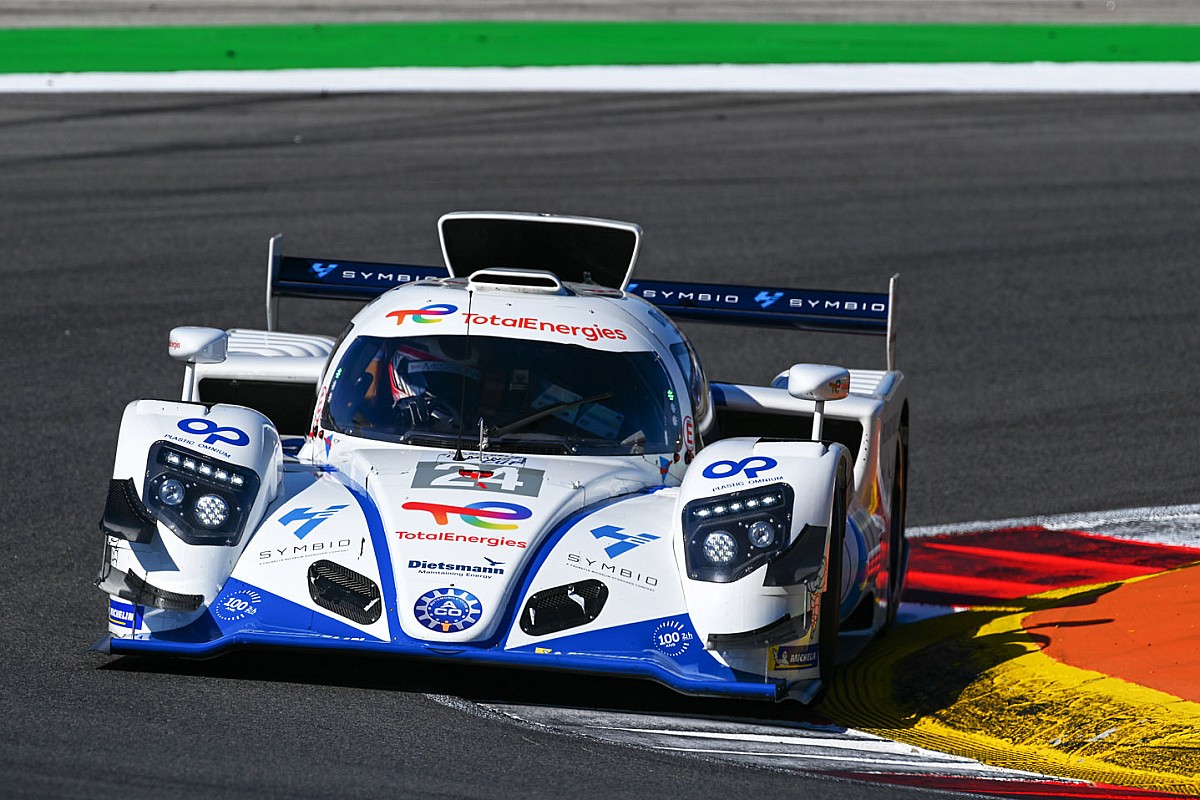
The prestigious 24 Hours of Le Mans race is setting its sights on a future powered by hydrogen, with plans to have all vehicles in the top class running on this alternative fuel by 2030. The vision was articulated by Pierre Fillon, president of the Automobile Club de l’Ouest (ACO), ahead of the upcoming Fuji 24 Hours race where Toyota will showcase its hydrogen-powered Corolla.
"In 2026, we will have a hydrogen category at Le Mans at the same level as Hypercar," said Fillon, marking a significant shift in the competition’s fuel strategy. According to him, the ACO has been exploring the potential of hydrogen since 2018, and the roadmap for this new class is gradually taking shape.
"In 2026, we will have a hydrogen category at Le Mans at the same level as Hypercar,"

Originally slated for a 2025 debut, the introduction of the hydrogen prototypes category has been pushed back once again, now set to make its appearance in 2026. The ACO’s plans encompass varied technology use, announcing that both hydrogen combustion engines and hydrogen fuel cells will be allowed to compete in the new class.

"At Le Mans it's important that we allow manufacturers to test different technologies: it has been the case for 100 years and we want to continue to do that," Fillon stated, emphasizing the importance of innovation in motorsport.
"At Le Mans it's important that we allow manufacturers to test different technologies: it has been the case for 100 years and we want to continue to do that,"

By 2030, the ACO envisions a full transition to hydrogen as the exclusive fuel for top competitors. There are hopes that this will not only push the boundaries of technology but also promote sustainability within the automotive sector.
Fillon's vision acknowledges the need to incorporate various technologies into the upcoming hydrogen category. "The fuel cell was initially chosen for its potential, which is still relevant,” he observed, adding that the hydrogen internal combustion engine is emerging as a viable option for manufacturers as well.
"We are officially announcing that both technologies, fuel cell and hydrogen internal combustion engine, will be accepted and authorized for manufacturers wishing to enter the 24 Hours in the hydrogen category," Fillon confirmed. This inclusive approach aims to foster competitiveness while adapting to different engineering philosophies.
"We are officially announcing that both technologies, fuel cell and hydrogen internal combustion engine, will be accepted and authorized for manufacturers wishing to enter the 24 Hours in the hydrogen category,"

As part of this transition, the ACO will implement a Balance of Performance strategy to ensure fair competition among the different technologies in use. While there has not been a definitive stance on maintaining a one-make chassis formula for the hydrogen class, the original intent was for manufacturers to produce only the fuel cell component of their vehicles.
The one-make chassis was designed through a partnership between Red Bull Advanced Technology and French constructor ORECA, with electric motors supplied by the Franco-Swiss company GreenGT. This structure aims to streamline development and focus on the fuel cell technology across participating manufacturers.
This initiative by the ACO exemplifies a broader push for sustainable practices in motorsport, potentially paving the way for other racing series to adopt similar measures. Beyond showcasing engineering prowess, this transition to hydrogen aligns with global trends towards cleaner energy sources and climate action.
As the ACO ramps up for its ambitious 2030 target, the spotlight will increasingly be on the advances in hydrogen technology, exploring its practicality and performance on the race track. The upcoming years will be pivotal as manufacturers, teams, and engineers work together to redefine endurance racing for a new era, blending tradition with innovation.