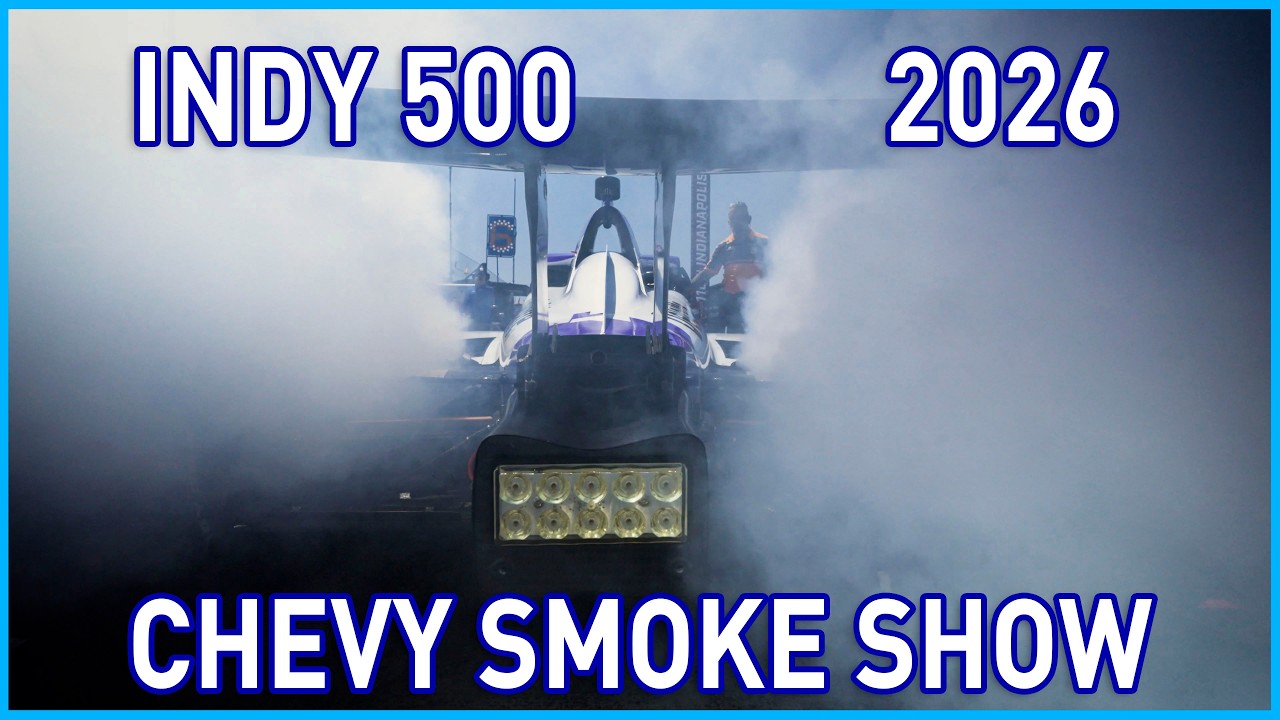
If you have spent any time on pit lane at Indianapolis Motor Speedway this month, you may have noticed something that the Honda side of the paddock has been completely spared from. A handful of Chevrolet-powered cars — but not all of them — are erupting in towering plumes of white smoke on startup, and the open test at the Brickyard turned the quirk into a running gag.
Veteran IndyCar journalist Marshall Pruett, whose deep links inside Chevy's engine programme run through Ilmor Engineering, walked through the phenomenon ahead of pole weekend. He pointed to Jack Harvey's Dreyer & Reinbold Racing entry as a particularly vivid case during the open test, where a motor problem produced what Pruett called "huge plumes of white smoke coming out of the exhaust" that briefly hid the car from view. Ryan Hunter-Reay's Dreyer & Reinbold machine produced its own startup theatre, swallowing Pruett in oil smoke as he tried to grab a drive-off photo. "I had the smell of Chevrolet forced induction as my scent for the rest of Tuesday," Pruett joked, while Hunter-Reay's crew laughed at the timing.
The question of what is actually happening has been answered, quietly, by the people who build the engines. Ilmor and Team Chevy have not wanted to lean into the topic in public, but Pruett's explanation lines up with the technical picture: the smoke is the by-product of oil residue from the turbochargers, which sits inside the system, gets exposed to heat on startup and burns off through the exhaust. The geometry of how the turbos are arranged on the Ilmor-built Chevy means that the older a unit gets, the more chance there is of a touch of oil seepage finding its way to ignition.
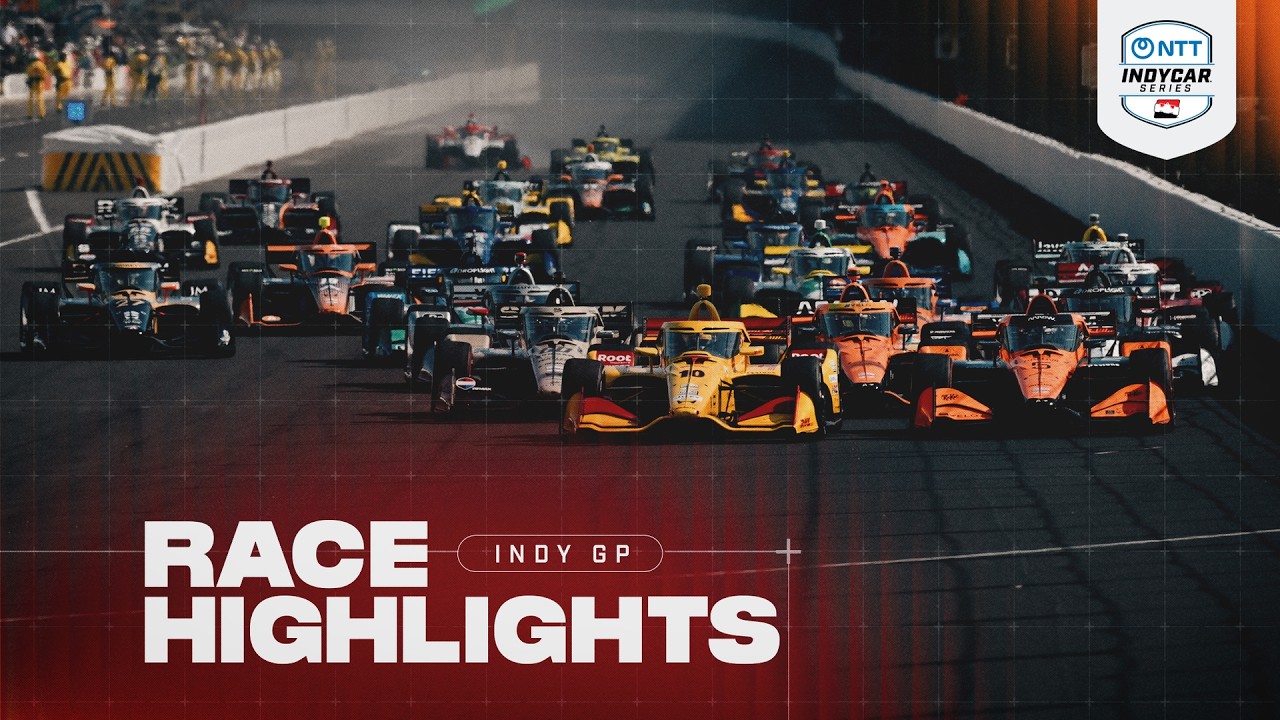
That is why the smoke is not universal across the Chevy fleet. Hunter-Reay's car, Harvey's car and a few other startups have done their best Puff the Magic Dragon impressions, while the freshest motors have started cleanly. As Pruett pointed out, that turns the smoke clouds into a useful breadcrumb trail for engine watchers. The cars that puff hardest may well be the ones running on higher-mileage units, which in turn are the candidates for fresher motors to be rolled in before qualifying and the 500 itself. The ones that fire up clean are the candidates for being brand-new builds.
There is also a competitive element buried in the visuals. None of this affects on-track horsepower in any meaningful way — old turbos in IndyCar specification are still inside the regulated power band — but for teams and engineers, the smoke is a reminder that turbo health is a real moving part of an Indy 500 programme. Across a 500-mile race that punishes any drop-off in boost behaviour late in a fuel run, the difference between a fresh and a tired turbo can show up in lap-time consistency over a stint, even if it never makes a peak-speed chart.
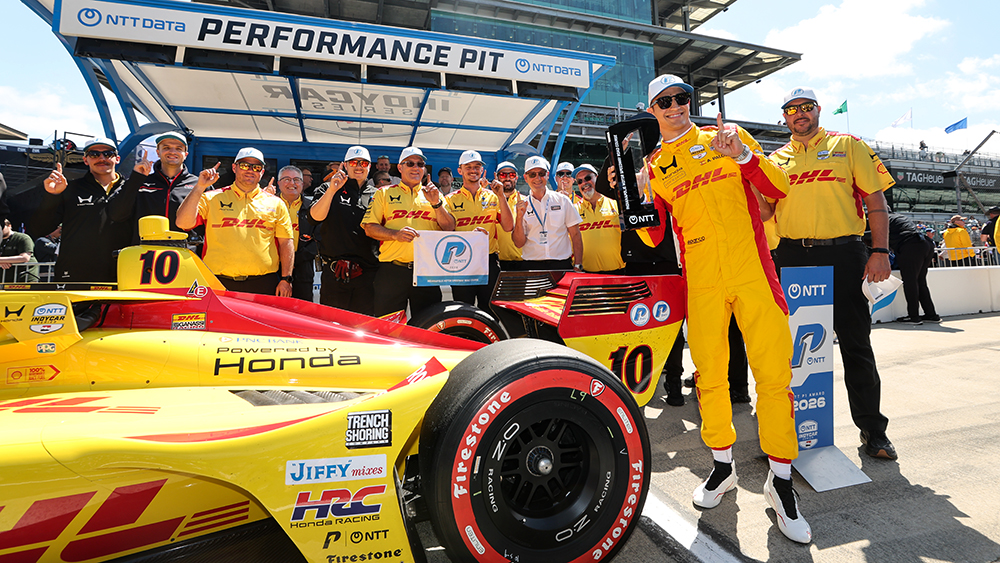
For Honda, none of this is on the radar. Pruett pointed out that he has never seen the same phenomenon on the HRC-built side of the grid, where the architecture of the engine and its turbo layout do not appear to produce the same oil burn-off on startup. That has been one of the quieter sub-plots of the open test and Practice 1 and 2 — both motor manufacturers have been firmly in the conversation for raw speed, and both have looked competitive across Carb Day's first sims, but only one of them has been producing the show.
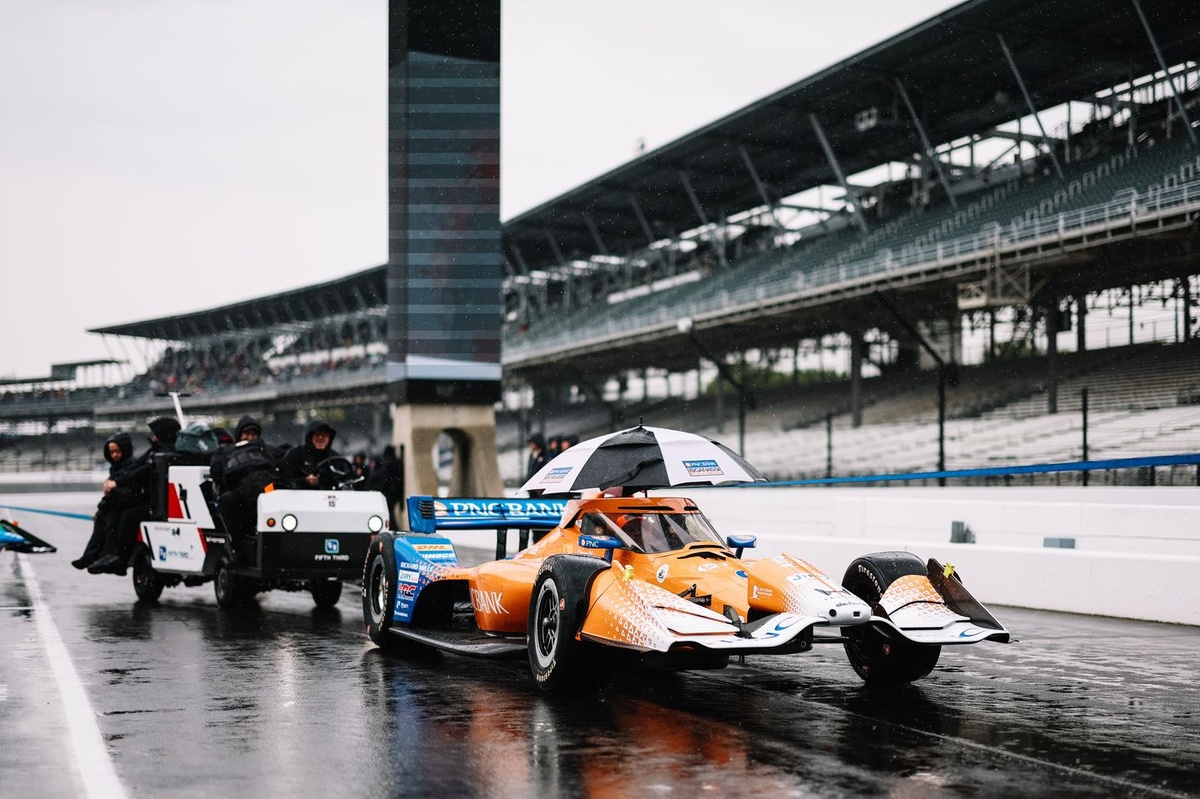
As the field rolls toward qualifying, the Chevy smoke is unlikely to be more than a curiosity in the broader Indy 500 plot. The real story is whether Honda can answer the practice pace shown by Team Penske's Chevrolets and whether the Andretti and Arrow McLaren cars can keep up. Pato O'Ward, asked about his Arrow McLaren's behaviour after a long day in traffic, told reporters, "We don't have it there yet. We're working on it. I think we're going to get it there. I know what I need from the car around this place — even if it's not the best out there, I know how to make one work." Whether or not his Chevy is one of the Smoke Show cars come Sunday morning, the noise on pit lane this month has been doing plenty of talking on its own.