
The 1988 Pontiac Excitement 400 took place on February 21, 1988, at the Richmond Fairgrounds Raceway, marking the second stock car race of the NASCAR Winston Cup Series season and the event's 34th iteration. This race, a 0.542-mile D-shaped oval, consisted of 400 laps and became an important chapter in NASCAR history.
In a performance, Neil Bonnett of RahMoc Enterprises recovered from a two-lap deficit to seize the lead during the final restart with just 48 laps remaining. Bonnett's resurgence was facilitated by a prolonged green flag stint, allowing him to regain one lap, and subsequently, a series of cautions enabled him to recover a second lap. Bonnett's triumph represented his 17th career NASCAR Winston Cup Series victory and established him as a contender in the season. "We came here and tried the Hoosiers, and we found them to be the best tire for this track... we're going to run the best tire available at each track. Who knows? We might not run another race this year on Hoosier tires," Bonnett stated, reflecting on his tire choice for the race.
Despite the celebration, the results sparked a notable controversy. Ricky Rudd, who finished second, along with his King Racing team, raised concerns regarding Bonnett’s lap count. Rudd, Richard Petty, and Darrell Waltrip all contended that Bonnett had inadvertently been credited with an additional lap. This was further substantiated by an appeal filed by King Racing. However, NASCAR officials, led by chief scorer Morris Metcalfe, firmly upheld Bonnett’s victory just days later on February 23. Metcalfe emphasized the clarity of the race's scoring, saying, "We had everything under control the whole way, and we never had any doubt about who was leading, or who'd gotten lapped, or how Neil Bonnett got his laps back."

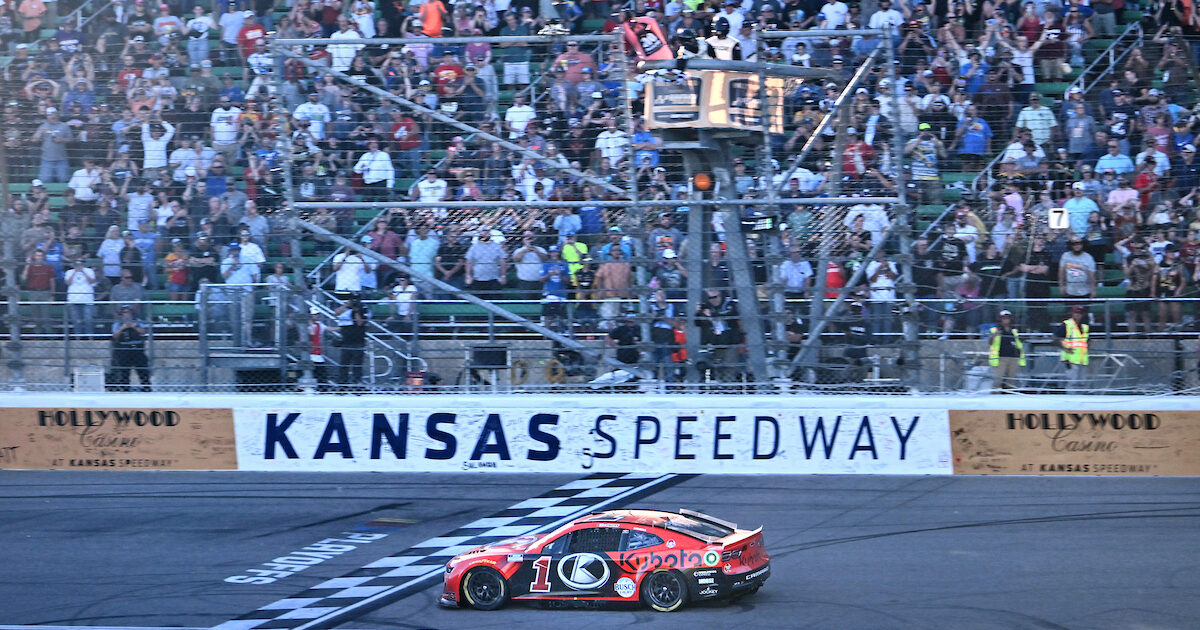
The 1988 Pontiac Excitement 400 also marked the conclusion of the traditional 0.542-mile layout at the Richmond Fairgrounds Raceway. This older track, while historic, was considered lacking in modern amenities, leading to the decision to construct a new 0.75-mile D-shaped oval venue, named Richmond International Raceway. This redesign aimed to create a more contemporary racetrack experience, complete with increased seating and updated facilities.
Notably, the race was also a landmark event for tire suppliers in NASCAR. Hoosier Racing Tire, which had entered the fray in 1988 as a challenger to the long-standing Goodyear monopoly, had their brand made its mark during this event. However, the significance of Bonnett's win for Hoosier was debated since he did not commit to using their tires for the entire season.
By the Numbers

On the technical side of the race, qualifying saw Morgan Shepherd earn the pole position with a time of 20.616 seconds. Dale Earnhardt led the most laps during the race, showcasing his prowess by controlling 151 laps. The average speed at which the race was completed was recorded at 66.401 miles per hour, demonstrating not only the strategies at play but also the skill of the drivers that afternoon.
With the conclusion of the Pontiac Excitement 400, the NASCAR landscape was shifting in various ways, from tire partnerships to racetrack designs. The 1988 season held promise for drivers like Bonnett, who would continue to fight for dominance in a sport that was evolving rapidly. As new challengers emerged and venues transformed, the competitive dynamics of competition remained at the forefront of motorsports.