
The Haas F1 Team has officially introduced their first Formula 1 car, the VF-16, set to compete in the 2016 season. As the first American team to join the grid in three decades, Haas is gearing up for its debut with excitement and ambition.
The car will make its track debut during pre-season testing at Barcelona, beginning Monday. This unveiling is the culmination of over two years of dedicated effort by the team.
Haas has shared that the name "VF-16" has significant roots in the company’s heritage. "The name VF-16 originates from the first CNC machine produced by Haas Automation, the VF-1, which was launched in 1988," explained Gene Haas, the founder of Haas Automation. The designation 'V' signifies vertical, which is typical for a vertical mill, while 'F1' marks it as the company's "Very First One" for Formula 1.
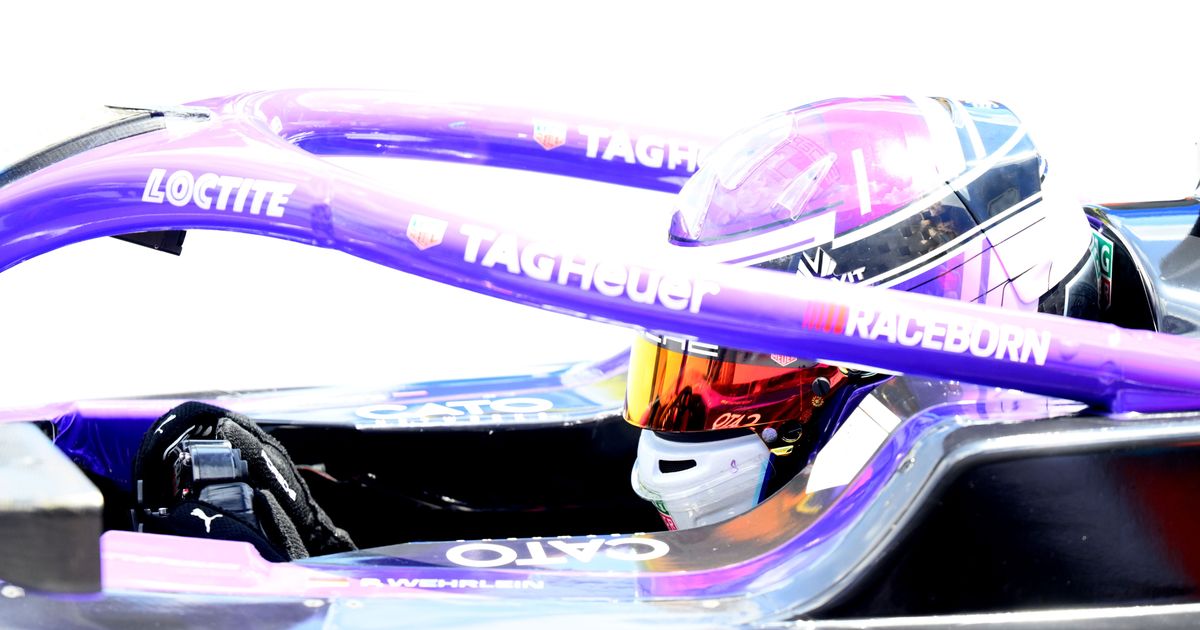
"VF-16"

Impact and Legacy
The VF-16 features a striking color scheme of dark gray, light gray, and red, directly reflecting Haas Automation’s legacy in machine tools.
Team Dynamics
"Just as Haas Automation’s products continually evolve, becoming better and more efficient, our methodology behind the VF-16 was to make it the best evolution of a good F1 car," said Guenther Steiner, the team principal of Haas. He emphasized the importance of learning from established teams during the design process.
"Just as Haas Automation’s products continually evolve, becoming better and more efficient, our methodology behind the VF-16 was to make it the best evolution of a good F1 car,"
Team Dynamics
"We’re a new team, so we looked at what the successful teams were doing to give us a baseline of the direction we needed to go with our design," Steiner noted. He highlighted the experience of the design team, who focused on enhancing aerodynamic efficiency: "We have very experienced designers who worked hard to develop all the little things from an aerodynamic perspective that, collectively, add up to a lot."
"We’re a new team, so we looked at what the successful teams were doing to give us a baseline of the direction we needed to go with our design,"
"Our technical partner, Ferrari, provided our power unit, and that really defined the rear end of the car and how big it needed to be,"
