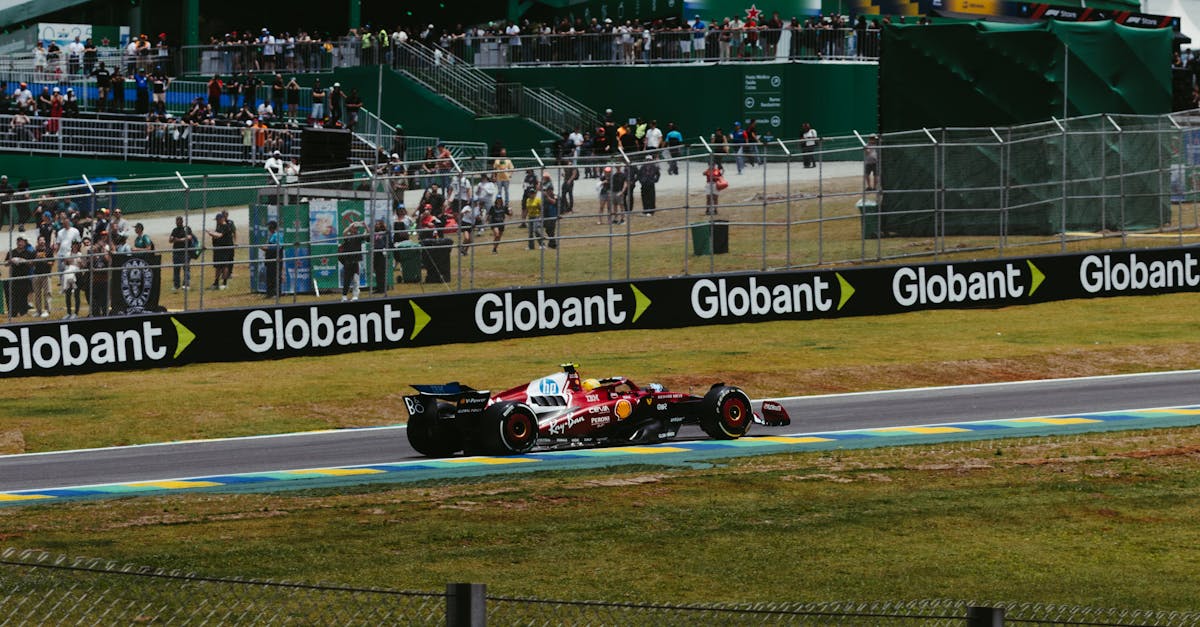
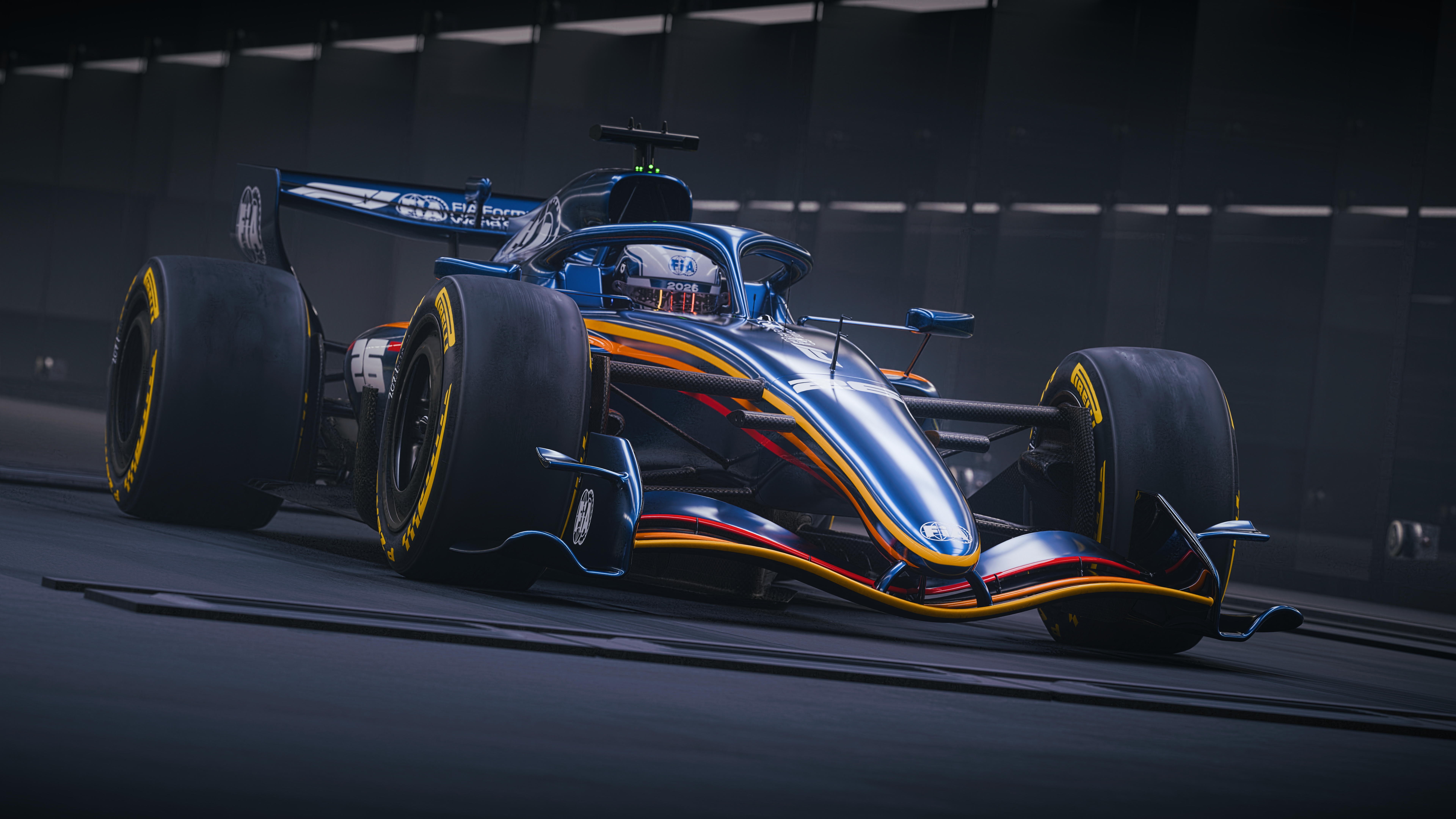
The FIA is preparing to implement a significant transformation in the Formula One World Championship, marking the most extensive regulation changes in decades. As the motorsport world anticipates the new season, the focus is squarely on how these changes will enhance the competitive landscape and overall safety of Formula 1 by 2026.
Formula 1 has always been characterized by its relentless pursuit of progress. "If Formula 1 has a defining characteristic, it is a relentless urge to move forward, to put behind it the successes or failures of the past and to look forward to the next weekend, the next session, the next race," said an FIA representative in reviewing the sport's future.
"If Formula 1 has a defining characteristic, it is a relentless urge to move forward, to put behind it the successes or failures of the past and to look forward to the next weekend, the next session, the next race,"
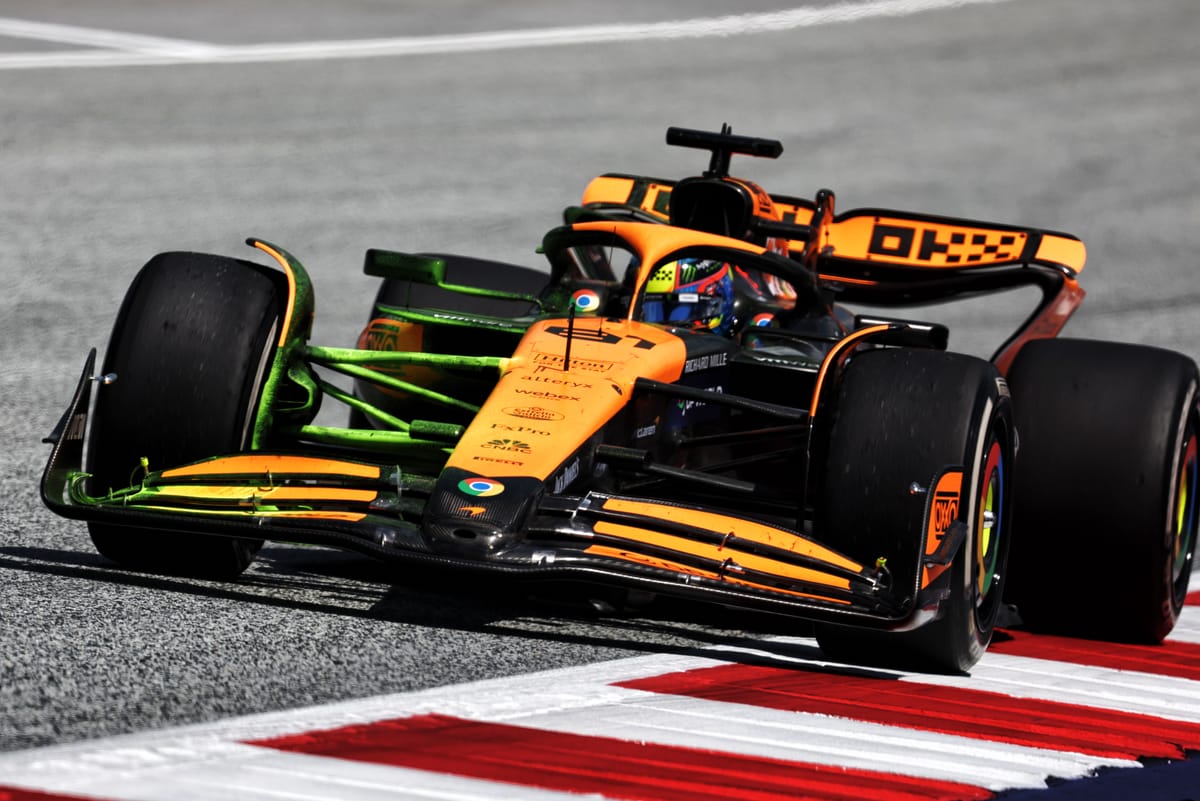
This time, the FIA's 2026 regulations encompass alterations that are designed to optimize every element of car design, aiming to create a new era of racing that is more competitive, eco-friendlier, and safer. Unlike past shifts that focused predominantly on engines or chassis, the FIA's new framework broadens its scope eventfulally.
Central to this initiative is the Nimble Car Concept, which aims to overturn the trend of larger and heavier vehicles by producing smaller, lighter, and more agile cars. The new cars will shed approximately 30 kilograms, hitting a target mass of 724 kilograms, including tyre weight. Changes in dimensions include a cut in wheelbase by 200mm, down to 3400mm, along with a 100mm reduction in width and a 150mm narrower floor.
In addition to weight changes, the design of the car surfaces will see substantial updates as well. "The front wing is narrowing by 100mm, and features a two-element active flap along with a revamped rear wing with three elements," stated an FIA design expert. Another point of note is the removal of the beam wing, commonly seen in recent car designs, along with simplified rear wing end plates.
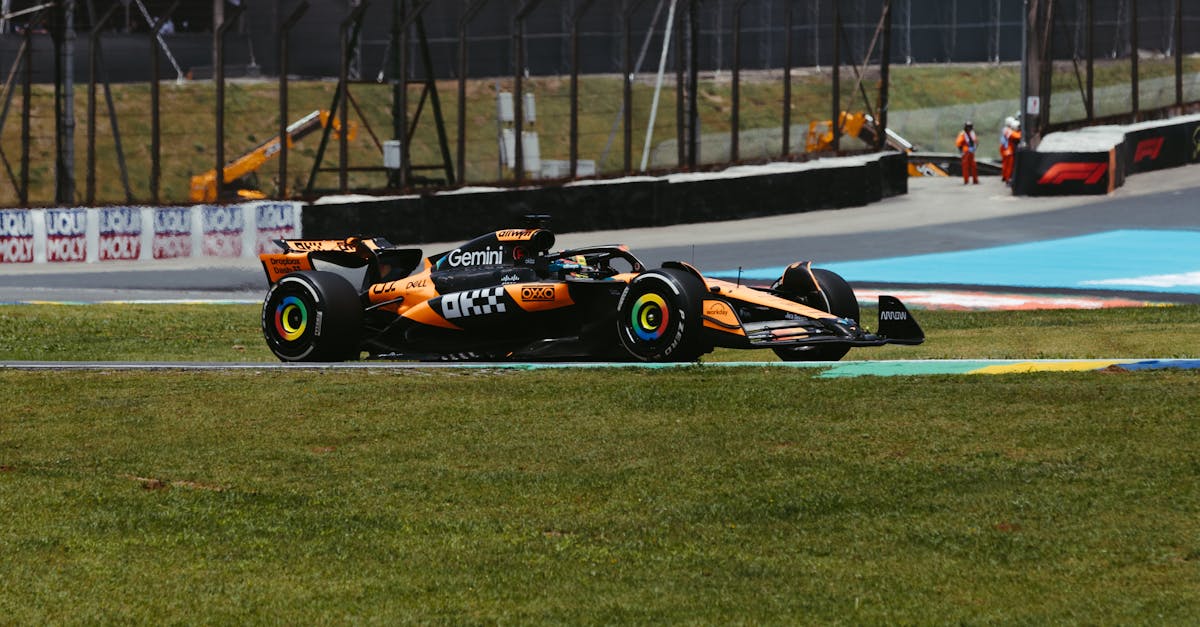
"The front wing is narrowing by 100mm, and features a two-element active flap along with a revamped rear wing with three elements,"

While this may result in slower cornering speeds initially, the expectation is that teams and drivers will adapt quickly, recovering lost time as development progresses. FIA Single-Seater Director Nikolas Tombazis highlighted the challenges faced in the past when it came to cars following closely.
"The 2022 cars started with great wake characteristics, going from approximately 50% downforce at a distance of 20 meters behind to about 80-85% at the onset. However, that performance degraded throughout the season," he recounted. "With the new regulations, we predict we will start with downforce closer to 90%, better than it’s ever been."
Active aerodynamics represents perhaps one of the most transformative shifts coming in 2026. For years, fans have cheered the Drag Reduction System (DRS), a mechanism that allowed rear wings to open for reduced drag. However, starting in 2026, this system will be replaced with adjustable front and rear wings, enabling drivers to transition between two operational modes. With the promise of increased competitiveness and a new era of racing just around the corner, the FIA's ambitious agenda aims to redefine the landscape of one of the world's premier racing series. By focusing on innovation and sustainability, the FIA is not just looking to the future of Formula 1; it's forging a path forward for motorsport as a whole. As we near 2026, the excitement and expectations from fans and stakeholders alike are palpable.