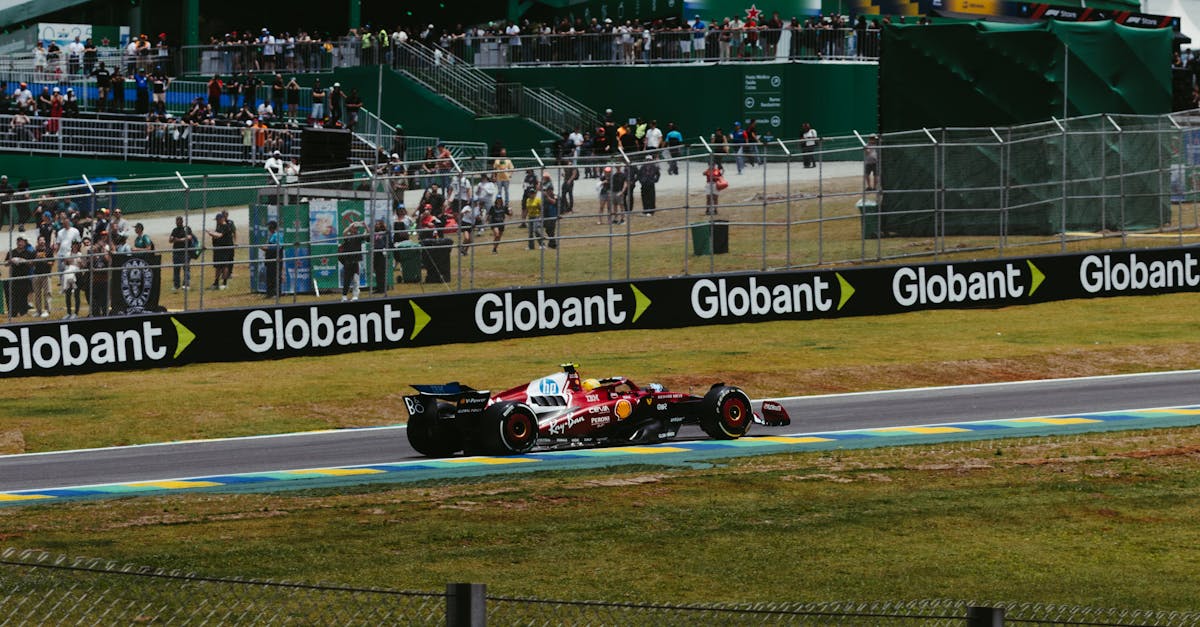
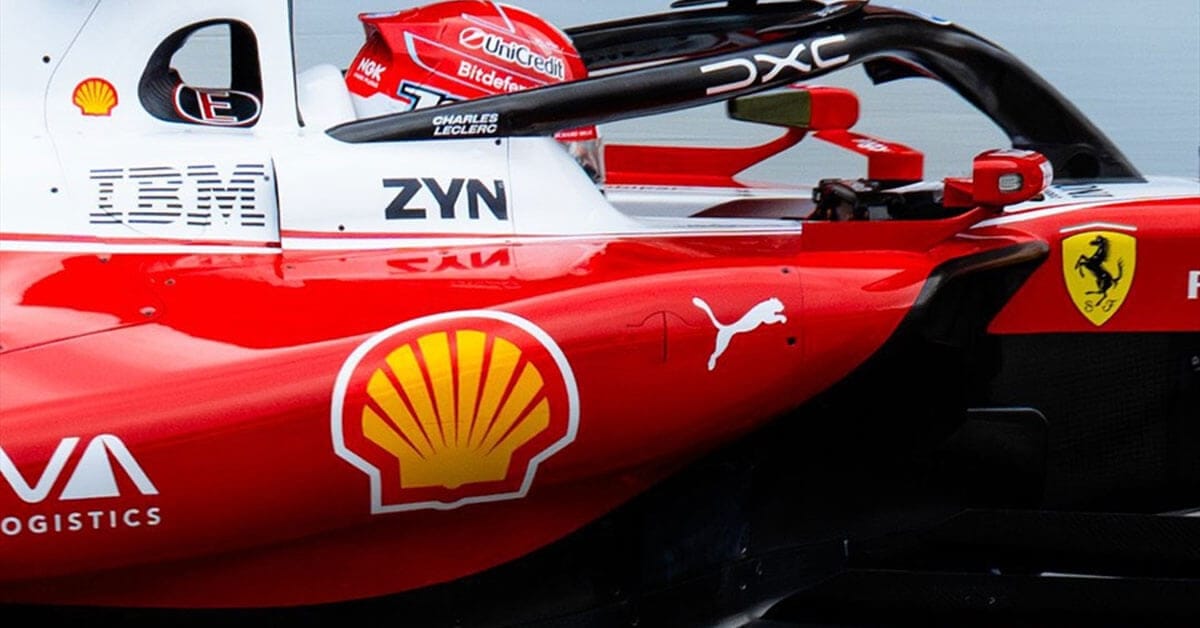
During pre-season testing in Barcelona, the Ferrari SF-26 has drawn mixed reactions, with some critics referring to it as a "basic" car. Initial observations highlight its simple front wing endplates and unadorned bodyworks, leading some observers to question its competitiveness. However, a detailed look at the technical elements reveals a thoughtful design strategy prioritizing aerodynamic stability and future development potential.
"basic"
"We’ve taken a different approach with the SF-26, focusing on fundamental aerodynamics and clarity," said a Ferrari technical spokesperson. This statement echoes the sentiments within the team, suggesting that the apparent simplicity of the car is a reflection of careful planning rather than an oversight.
"We’ve taken a different approach with the SF-26, focusing on fundamental aerodynamics and clarity,"
One of the most notable features of the SF-26 is its front wing, which showcases what could be termed the first true inwashing concept under the new regulations. Unlike previous designs that aggressively pushed air away from the tires, the SF-26's wing geometry encourages airflow to move inward. "This allows for cleaner and more energized airflow beneath the nose and onto the car's underfloor structures," said an aerodynamic engineer from Ferrari.
"This allows for cleaner and more energized airflow beneath the nose and onto the car's underfloor structures,"

This design choice, while sacrificing some local outwash control, enhances the quality of the airflow downstream, especially benefiting the central tunnels and leading edge of the floor. The simplicity of the endplates is likely an intentional decision to create a more predictable aerodynamic platform, essential for consistent data correlation across various testing environments.
Commenting on the car's suspension architecture, another key element, the team has opted for a traditional front push-rod layout with a uniquely rotated upper wishbone. This setup offers several benefits: it enhances airflow toward the sidepods and allows better management around the front corners. "Overall, this layout improves our anti-dive characteristics during braking, allowing for a much more balanced ride," explained the suspension engineer.
"Overall, this layout improves our anti-dive characteristics during braking, allowing for a much more balanced ride,"
Team Dynamics
Team Dynamics
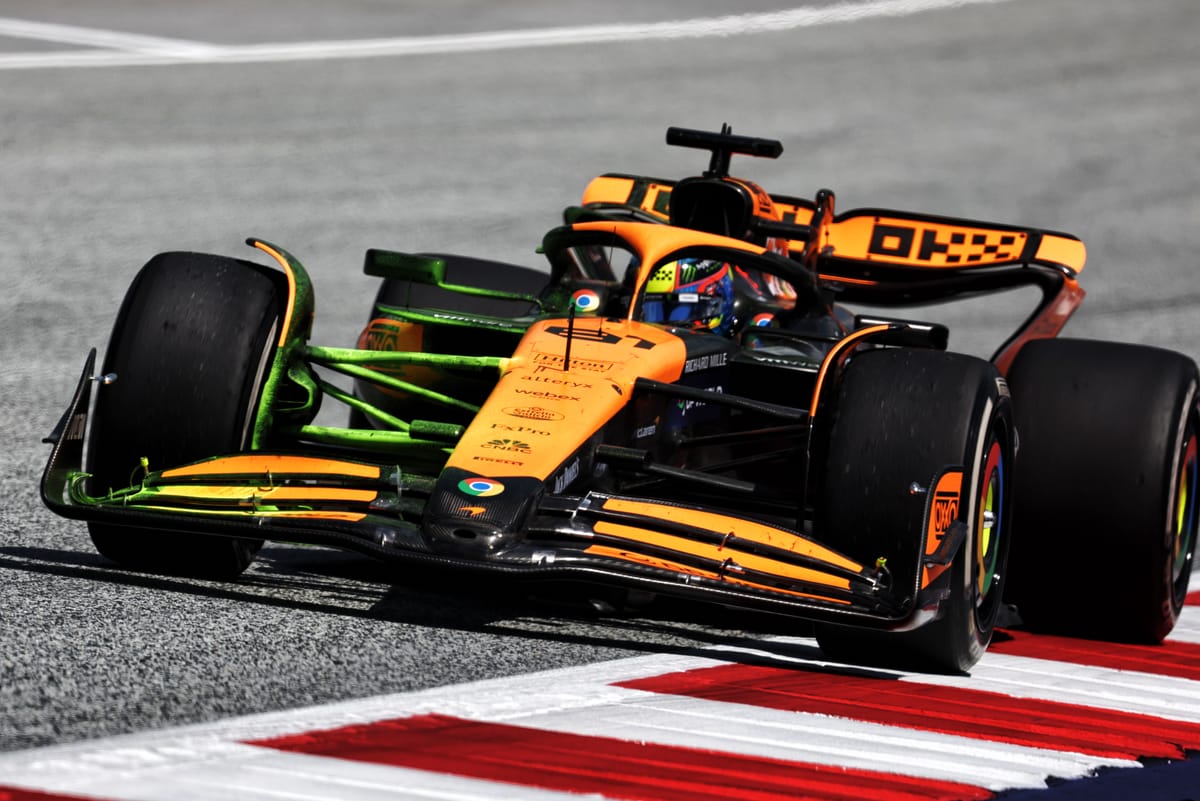
In terms of cooling, the SF-26 features large sidepod inlets, a departure from the designs of competitors like Racing Bulls. The team has carefully chosen a minimalist centerline cooling solution to complement this feature. "This gives us several advantages, such as improved thermal management and a lower center of gravity," the Ferrari cooling systems manager commented. The sidepod design indicates a shift toward ensuring flow attachment and consistency, marking a deliberate decision to maintain a conservative baseline for further refinements.
"This gives us several advantages, such as improved thermal management and a lower center of gravity,"
Team Dynamics
Team Dynamics
Additionally, although conventional bargeboards are no longer part of the modern F1 design lexicon, the SF-26 incorporates specially shaped bargeboard stays. These components assist in guiding airflow around the sidepod, stabilizing the intake conditions of the floor. "We are experimenting with more subtle forms of pressure management rather than just relying on vortex generation," noted an aerodynamic specialist with the team.
"We are experimenting with more subtle forms of pressure management rather than just relying on vortex generation,"
Race Results
The SF-26 uniquely adopts a flat rake philosophy, steering away from high-rake designs that have historically troubled Ferrari's vehicles. This approach enhances stability, minimizing sensitivity to changes that have previously destabilized performance. "While peak downforce may be reduced initially, the trade-off in drivability and setup flexibility is worth it," remarked the chief engineer.
"While peak downforce may be reduced initially, the trade-off in drivability and setup flexibility is worth it,"
The stepped shark fin configuration is another interesting aspect of the SF-26. This design choice improves lateral airflow management during yaw conditions, contributing to better rear stability, especially in challenging crosswinds. "We’re already anticipating how the car behaves under varied conditions, which is essential for performance during races," emphasized the design lead. "We have ample room for development in this area, which is crucial for keeping pace with competitors over the season," summarized a senior technical advisor.
"We have ample room for development in this area, which is crucial for keeping pace with competitors over the season,"
Overall, the Ferrari SF-26 showcases a thoughtfully crafted design emphasizing aerodynamic stability and development latitude over immediate visual flair. The hope within Ferrari is that this strategic simplicity will allow them to enhance performance incrementally as they adapt to the challenges of the season ahead.