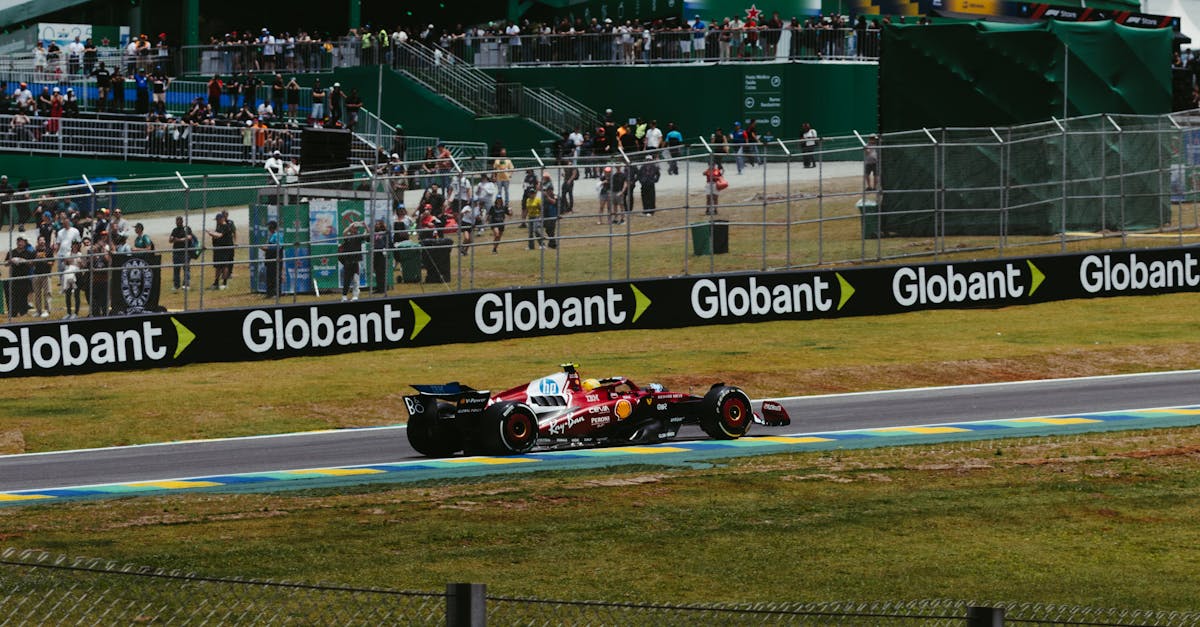
As the 2026 Formula 1 season approaches, teams are beginning to reveal the design innovations that will play crucial roles in determining the competitive landscape. With pre-season testing wrapped up and the inaugural race on the horizon, early observations suggest a competitive edge for Mercedes, closely pursued by Ferrari. Meanwhile, McLaren and Red Bull trail not far behind.
"We’re seeing a kind of advantage for Mercedes, with Ferrari not far behind them, and then McLaren and Red Bull rounding out that initial top tier," said a team analyst. The gap, however, widens significantly, with a second tier featuring teams such as Haas, Williams, Alpine, and Racing Bulls. New entries like Audi, Cadillac, and Aston Martin populate the remaining spots, suggesting a reshuffled pack in terms of competitiveness.
"We’re seeing a kind of advantage for Mercedes, with Ferrari not far behind them, and then McLaren and Red Bull rounding out that initial top tier,"
Qualifying
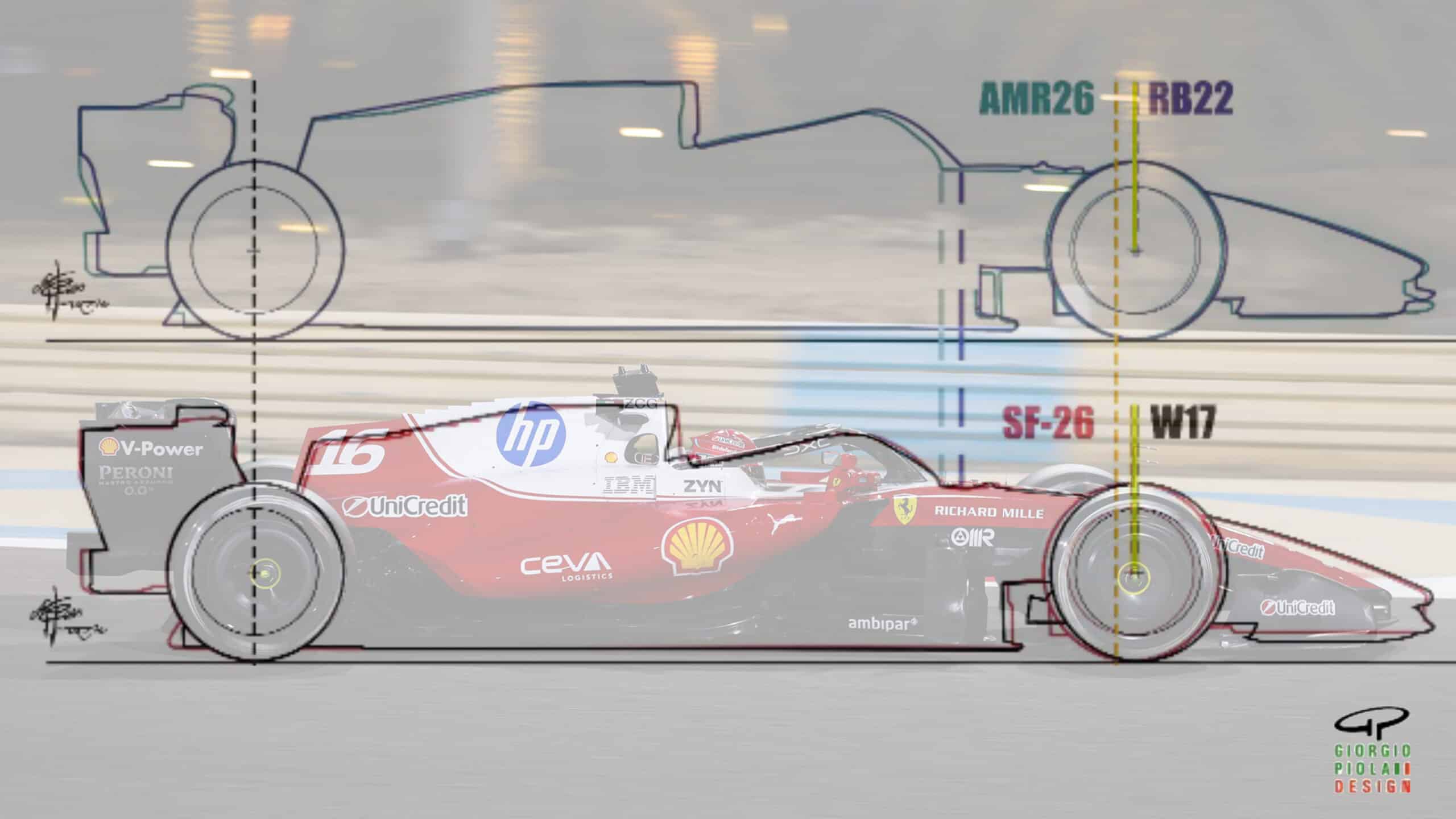
The adoption of new regulations has prompted varying technical choices among teams, influencing their ranking on the grid. One notable change this year is the maximum wheelbase reduction from 3600mm to 3400mm. This shift complicates the integration of heavier and bulkier power units within the cars. Despite expectations of uniformity, teams have opted for different wheelbase strategies.
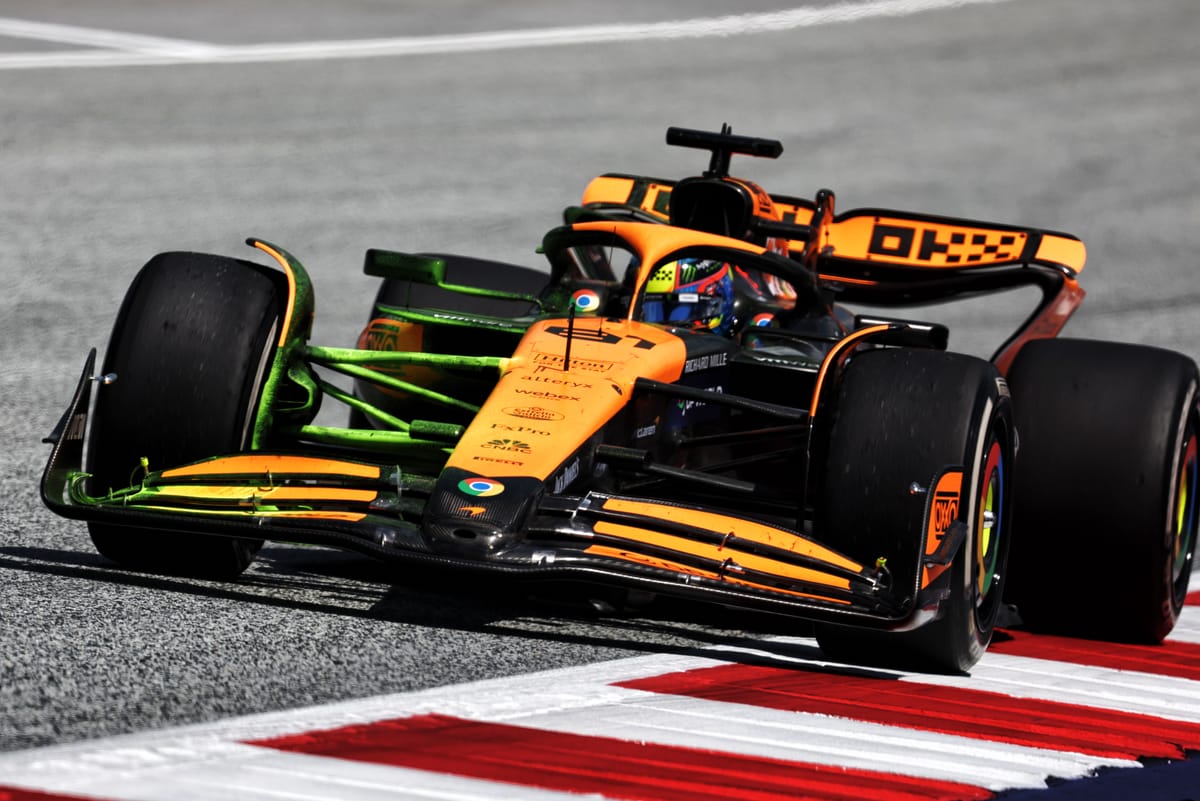
"McLaren's decision to have a wheelbase approximately 10cm shorter than its rivals like Mercedes and Ferrari allows for easier compliance with the minimum weight limit," noted a source within the team. However, this choice also poses challenges, notably a potential increase in center of gravity height and a reduction in downforce-generating floor area.
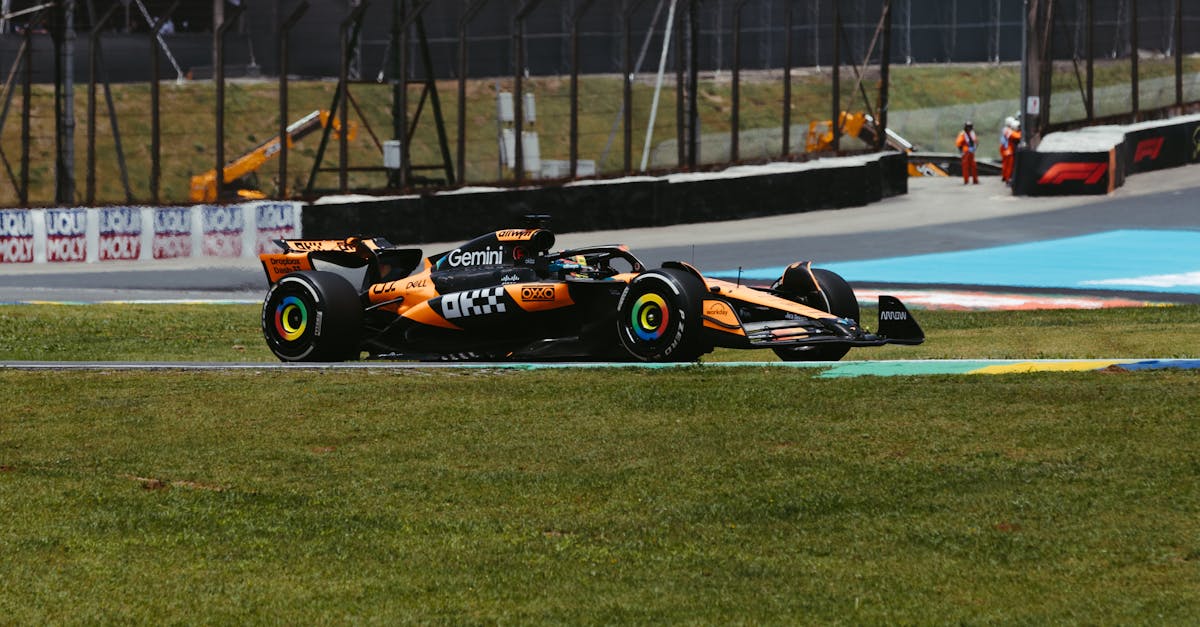
"McLaren's decision to have a wheelbase approximately 10cm shorter than its rivals like Mercedes and Ferrari allows for easier compliance with the minimum weight limit,"
Team Dynamics
Team Dynamics
In addition to wheelbase concerns, teams are also navigating the regulations surrounding the distance between the front axle line and the cockpit. A variance of up to 250mm exists here, and some teams, like Red Bull, are strategically placing the cockpit closer to the front axle. This allows for a higher nose design that enhances airflow to the underfloor but also complicates air management around the front tires.
"We’ve taken steps to manage and optimize airflow with our cockpit placement," said a Red Bull representative. Their approach contrasts with that of teams such as Mercedes and Ferrari, which have opted for different configurations.
"We’ve taken steps to manage and optimize airflow with our cockpit placement,"
Mercedes stands out this season by modifying how its nose integrates with the front wing, enhancing airflow to the underfloor. "Our nose design stops at the middle element of the front wing, allowing more airflow into the underfloor than traditional designs," said a representative from Mercedes.
"Our nose design stops at the middle element of the front wing, allowing more airflow into the underfloor than traditional designs,"
Race Results
Team Dynamics
"We've found ways to expand the effective area of the diffuser despite regulations on its trailing edge placement," explained a Ferrari engineer. The strategic positioning of the differential plays a key role here. Ferrari has positioned their differential 60mm behind the axle as permitted, creating an opportunity to expand their bodywork aft of the diffuser, thus enhancing airflow.
"We've found ways to expand the effective area of the diffuser despite regulations on its trailing edge placement,"
Team Dynamics
This innovative design highlights Ferrari's commitment to exploiting regulatory loopholes to gain performance advantages. The way they’ve connected steeply angled driveshafts has allowed for more effective airflow management, diverging from the conventional setups used by rival teams.
Overall, the 2026 season is shaping up to be one defined by unique innovations and strategic choices from each team, all working under the same set of regulations but interpreting them in distinct ways. As teams head into the opening race, the variations in these design approaches could lead to significant shifts in both performance and competitive hierarchy.
The unfolding developments hint at a season where technical ingenuity could very well decide race outcomes, setting the stage for an intriguing championship fight among the top teams. As testing concludes and the lights turn green on race day, the impact of these designs will soon become evident.