The 2023 Formula One season is set to kick off in Bahrain this weekend, and teams have already completed preliminary tests to prepare. As fans await the action, several notable regulatory changes are poised to reshape the competitive landscape in the upcoming races. Here’s a rundown of crucial rule alterations for this season.
In an effort to address the porpoising issue that some teams faced with the introduction of new-spec cars featuring ground-effect aerodynamics, the regulations now include stringent floor-based flexibility and monitoring measures. As part of these adjustments, "four additional changes will come into play this year," explained a senior league official. These include a 15mm increase in the height of floor edges, an elevated diffuser throat, enhanced diffuser edge stiffness, and the introduction of a sensor to monitor porpoising more effectively.
"four additional changes will come into play this year,"
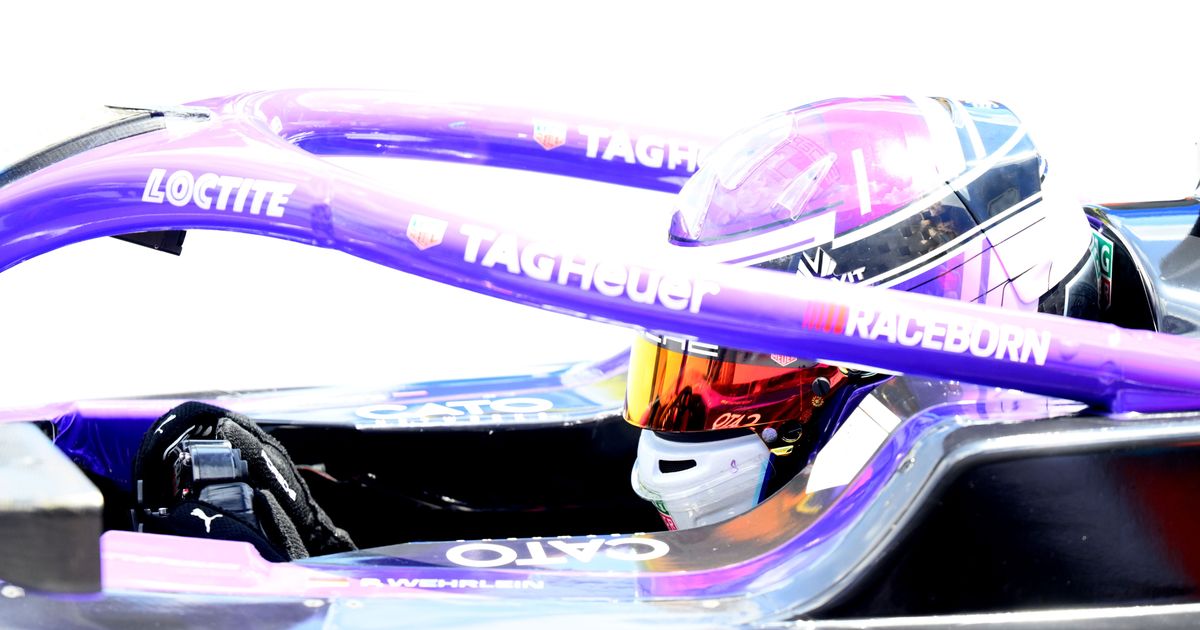
These modifications aim to eliminate significant porpoising incidents, allowing drivers to focus on high-speed action without the unwanted bumps from their vehicles.

The minimum car weight has undergone a decrease as well, trimming the limit from 798kg to 796kg. This weight reduction aims to challenge designers further in their quest to enhance vehicle performance while adapting to the new rules that have been unfolding since last season. "Teams will need to innovate even more to succeed under these weight constraints," said a technical director from one of the leading teams.
"Teams will need to innovate even more to succeed under these weight constraints,"
Team Dynamics
In a move to bolster safety on the racetrack, the size of the rear-view mirrors has been enlarged, increasing the reflective surface from 150mm to 200mm. This change follows tests conducted by various teams last season, aiming to improve driver visibility during races. "Visibility is crucial, and these adjustments will make a significant difference," an engineer from Red Bull noted.
"Visibility is crucial, and these adjustments will make a significant difference,"
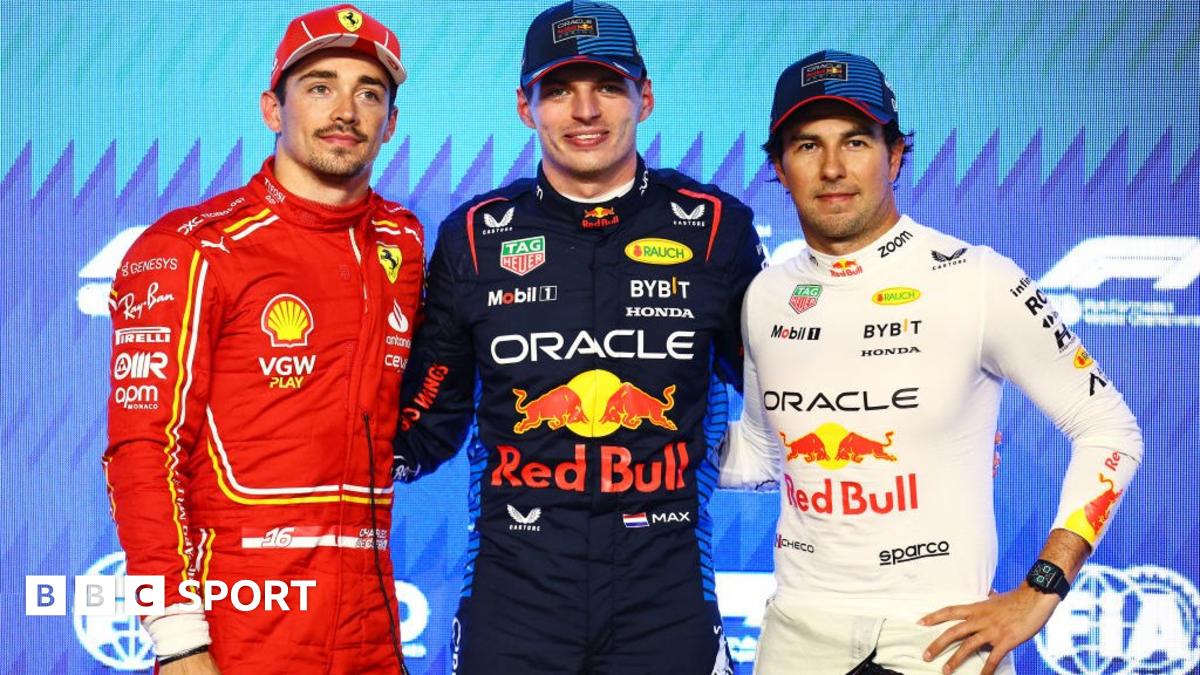
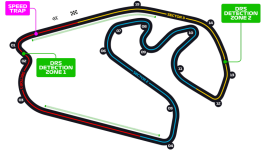
Fans can also anticipate an increase in the number of Sprint races this season, doubling from three to six. The venues chosen for these events include Azerbaijan, Austria, Belgium, Qatar, the United States, and Sao Paulo, following detailed analysis of their suitability. However, there is a notable reduction in the Sprint accident damage allowance this year. "We believe this adjustment will encourage drivers to race more strategically during sprints," commented an F1 executive.
"We believe this adjustment will encourage drivers to race more strategically during sprints,"
The 2023 season is gearing up to be one of the most exciting yet, with all these changes aiming to enhance competitiveness and safety on the track. Each alteration in the rulebook not only impacts how the races unfold but also adds an extra layer of strategy for teams and drivers as they adapt to the evolving landscape of Formula One.