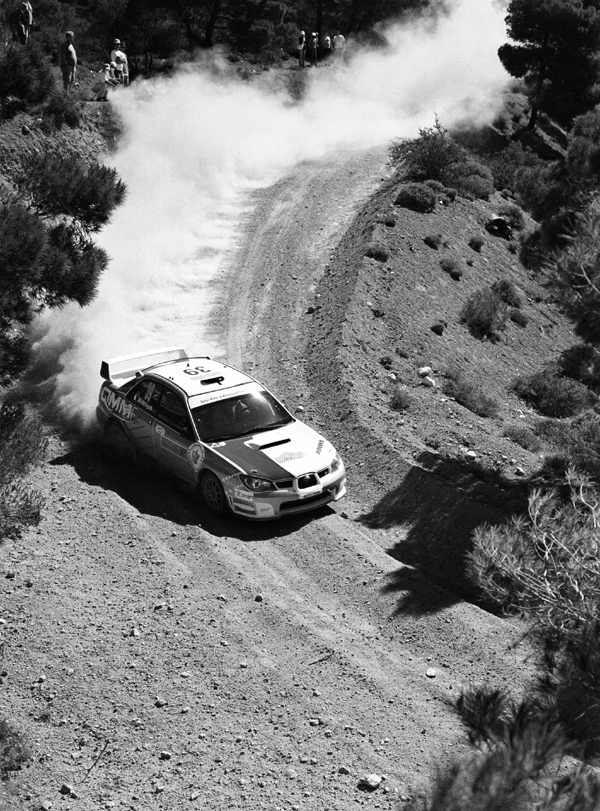
The FIA Production World Rally Championship (PWRC) has been a notable chapter in rallying, offering a competitive platform for Group N cars to demonstrate their prowess. Established in 1987 as the FIA Cup for Production Rally Drivers, the series evolved and eventually received world championship status in 2002.
"To compete in a series like this is truly special, it brings a different level of excitement," said Nasser Al-Attiyah, a prominent driver who made waves during his time in the championship. The PWRC focused on modified versions of standard road cars, allowing drivers to push the limits of their vehicles while adhering to strict regulations.
"To compete in a series like this is truly special, it brings a different level of excitement,"

Over the years, the PWRC gained popularity, with many drivers transitioning from national championships to this international stage. The platform allowed participants to exhibit their skills on various terrains and challenging rally routes, further solidifying their credentials.

"I learned so much competing in the PWRC, not just about racing, but about discipline and commitment," said another ex-champion, who preferred to remain anonymous, highlighting the foundational skills acquired during those formative years in the sport.
"I learned so much competing in the PWRC, not just about racing, but about discipline and commitment,"
"While the PWRC may no longer exist, its spirit lives on in every rally event where drivers push their limits," emphasized Al-Attiyah. As the motorsport landscape continues to evolve, the PWRC's influence on the current rally scene remains a testament to its importance and the competitive adventures it offered. Future rally stars will continue to emerge from the shadows of this iconic series, illustrating its lasting impact through the generations of drivers it inspired. The PWRC paved the way for the growth of rallying globally, leaving an indelible mark on the world of motorsport.