On July 7, 2013, motorsport enthusiasts gathered at Pocono Raceway in Long Pond, Pennsylvania, for the Pocono IndyCar 400 Fueled by Sunoco. This competitive event marked the 11th round of the 2013 IndyCar Series and featured a grueling 160 laps across a 2.5-mile permanent racing facility.
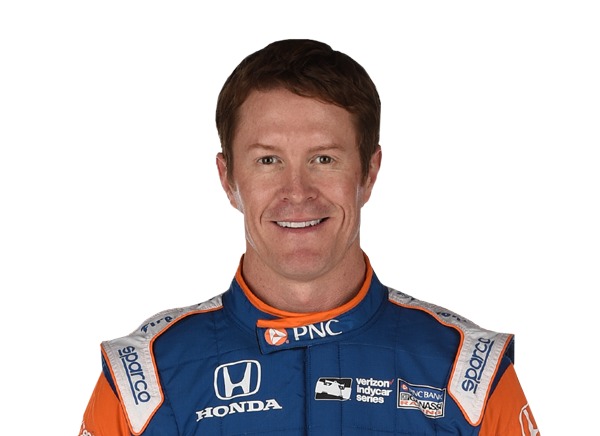
In front of a lively audience, Scott Dixon emerged victorious, showcasing his adept driving skills. "It was a great race for us, and the car was phenomenal all day," said Dixon, who drove for Chip Ganassi Racing. His win not only added to his impressive career record but also highlighted his team's strategic prowess.
"It was a great race for us, and the car was phenomenal all day,"

Taking second place was Charlie Kimball, also from Chip Ganassi Racing, who expressed his excitement following the race. "I really felt like we had a strong car and gave it everything we had," Kimball remarked. Dario Franchitti, the celebrated Scotsman and fellow Chip Ganassi driver, rounded out the top three, underscoring the team's strong presence during this event. "Teamwork makes the dream work, and today we proved that," Franchitti stated.
"I really felt like we had a strong car and gave it everything we had,"

Race Results

Will Power and Josef Newgarden rounded out the top five finishes, representing their respective teams with commendable performances. Simon Pagenaud, Justin Wilson, Hélio Castroneves, Ed Carpenter, and Marco Andretti completed the top ten, showcasing a mix of experienced and rookie talents enhancing the race's competitive spirit.
The strategic decision to reduce the race distance to 400 miles was made to accommodate broadcasting requirements. This adjustment sparked conversations among fans and analysts alike. One of the pivotal figures in bringing IndyCar back to Pocono was Brandon Igdalsky, who reflected on the significance of reviving the historic race. "The Pocono 400 is not just about racing; it's about bringing fans back to a venue that holds great history in IndyCar racing," Igdalsky stated during a pre-race event.
"The Pocono 400 is not just about racing; it's about bringing fans back to a venue that holds great history in IndyCar racing,"
IndyCar's return to Pocono was stirring, marking its revival after a hiatus that lasted since 1989. The original IndyCar races at Pocono were held from 1971 until 1989, generally featuring a 500-mile distance. Dr. Rose Mattioli, part of the original Pocono leadership, noted the excitement surrounding the comeback of this iconic race. "This is a celebration of motorsport heritage and the relentless spirit of racing," she said.

"This is a celebration of motorsport heritage and the relentless spirit of racing,"
The inaugural return of the race also meant the introduction of a new challenge for drivers—the IndyCar Triple Crown of Motorsport. Winning all three crown events, including the Indianapolis 500, the Pocono IndyCar 400, and the MAVTV 500, would reward competitors with a $1 million prize. Randy Bernard, then the head of IndyCar, expressed the thrill of this milestone event: "We want to encourage drivers to push their limits, and the Triple Crown is a perfect way to do so."
Career Journey
The lead-up to the race saw a varied season, with Andretti Autosport drivers dominating the initial races. James Hinchcliffe claimed victory in three of the early races, while his teammate Ryan Hunter-Reay took two wins. This varied competition set the stage for an unexpected race at Pocono, where team dynamics and driver strategies would play critical roles in determining the outcome.
Team Dynamics
Drivers prepared for a day characterized by hot temperatures reaching 91°F (33°C) and moderate winds up to 11.1 mph (17.9 km/h), which complicated tire management and fuel strategies throughout the race. The climate conditions played a pivotal role in team planning, significantly influencing pit stop strategies.
The 2013 Pocono IndyCar 400 thus became a celebration of speed and skill, and for Dixon, a chance to further establish his legacy in IndyCar history. "Every race is different, and to win here means a lot," Dixon concluded after his victory, reflecting the determination that defines competitive racing.
"Every race is different, and to win here means a lot,"
With the successful execution of the Pocono IndyCar 400, the series looked ahead with optimism. As the season continued, teams geared up for the upcoming races, poised to build on the Pocono momentum and bring further excitement for motorsport fans everywhere.