At the Dutch Grand Prix in Zandvoort, Max Verstappen delivered another performance, yet behind him, a fascinating shuffle unfolded among the competing teams. The race saw its share of rain, strategic maneuvers, and notable errors, particularly from stalwarts like McLaren and Mercedes.
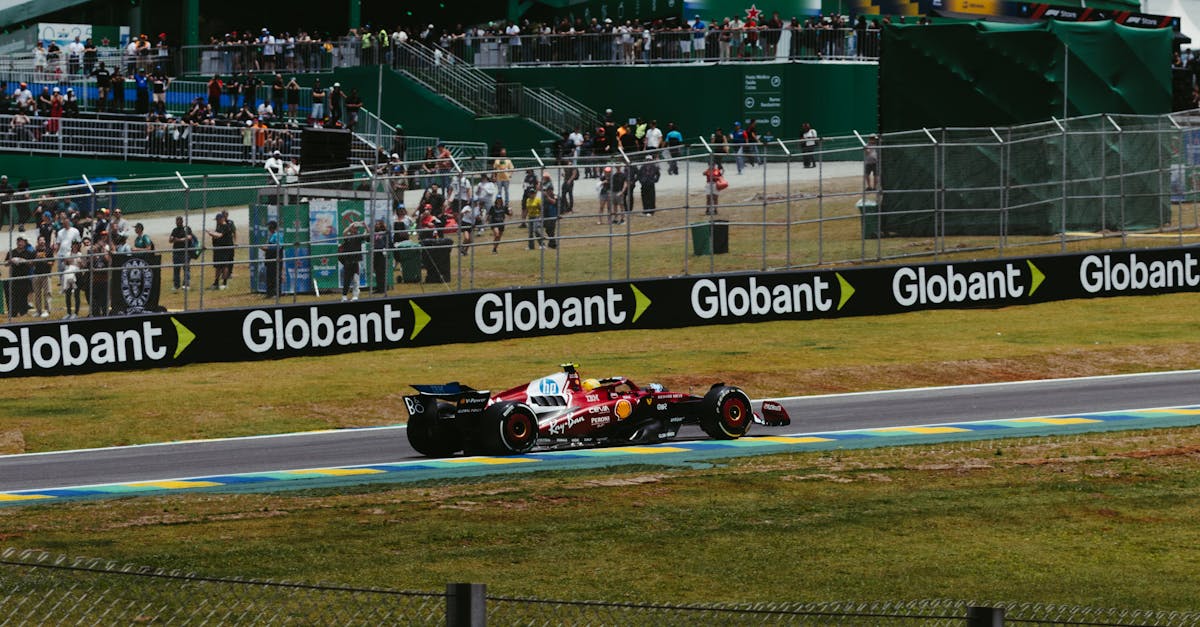
Carlos Sainz secured fifth for Ferrari, a well-earned finish as he navigated the challenging conditions without a hitch. Just behind him, Lewis Hamilton crossed the line in sixth, amidst the backdrop of a struggling George Russell and both McLaren drivers, all of whom raced against a fleet considerably faster than Sainz's SF-23.
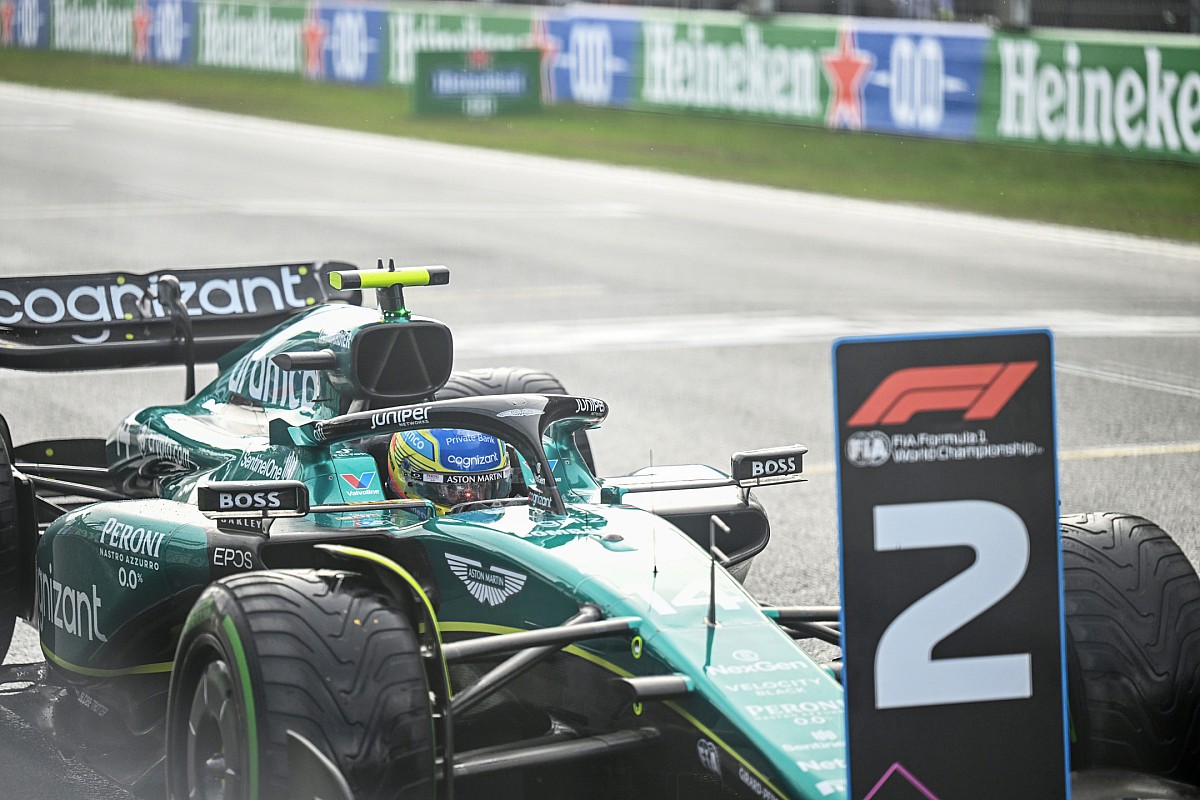
One of the standout performances came from Pierre Gasly, but it was veteran racer Fernando Alonso who captured significant attention, making a striking return to the podium with the newly upgraded AMR23, a machine that had undergone substantial tweaks in recent weeks.
Lawrence Stroll's Aston Martin team turned heads with their showing in Zandvoort. Having faced competition from improved rivals in Mercedes and Ferrari, and the re-emergence of McLaren since Austria, Aston Martin's recent performance marked a welcome shift.
Despite speculations surrounding the FIA's involvement in their front wing's design, Aston Martin firmly denies any external request for modification. Instead, they cite an ineffective development program as the cause of their recent struggles, losing critical correlation between the simulator data and on-track performance.
Qualifying
The aforementioned correlation challenge manifested itself in the AMR23’s unexpected decline in speed, pushing Aston Martin down to the fourth or fifth spot among the grid's best.
Emerging from earlier uncertainties, Aston Martin had introduced significant modifications during the Canadian Grand Prix. However, subsequent analysis revealed that their speed improvements came largely despite these upgrades rather than because of them, leading to frustrations during the Austrian leg of the season.

Revisions to the car's floor brought forth in Spa were pivotal in realigning Aston Martin's performance closer to their initial baseline. This modification was a blend of past and present innovations, setting the stage for further advancements. Alonso remarked on the importance of their engineering team's tireless dedication during a hectic July race schedule. "My thanks go to the factory team because even though we had four races in July, they worked tirelessly to produce these new parts,” said Alonso.
Race Results
As Zandvoort showcased a completely redesigned rear and an updated diffuser, the results echoed the team's collaborative spirit and commitment to harnessing what they previously identified in their Canada upgrades. The shift led to enhancements in aerodynamic efficiency, load, balance, and drag.
“The data confirms that the update worked as expected. It’s a step in the right direction,” Alonso expressed post-race, emphasizing the newfound clarity in performance metrics.
On the pursuit of improvement, Alonso stated, “There were some areas in which we weren’t good enough, but which we now understand better.”
The adjustments not only enhanced the car's performance in terms of traction and cornering grip but also indicated a collaborative victory for Aston Martin’s engineering team, suggesting that the path towards competitiveness was being recalibrated as they look to the remainder of the season and the 2024 campaign.