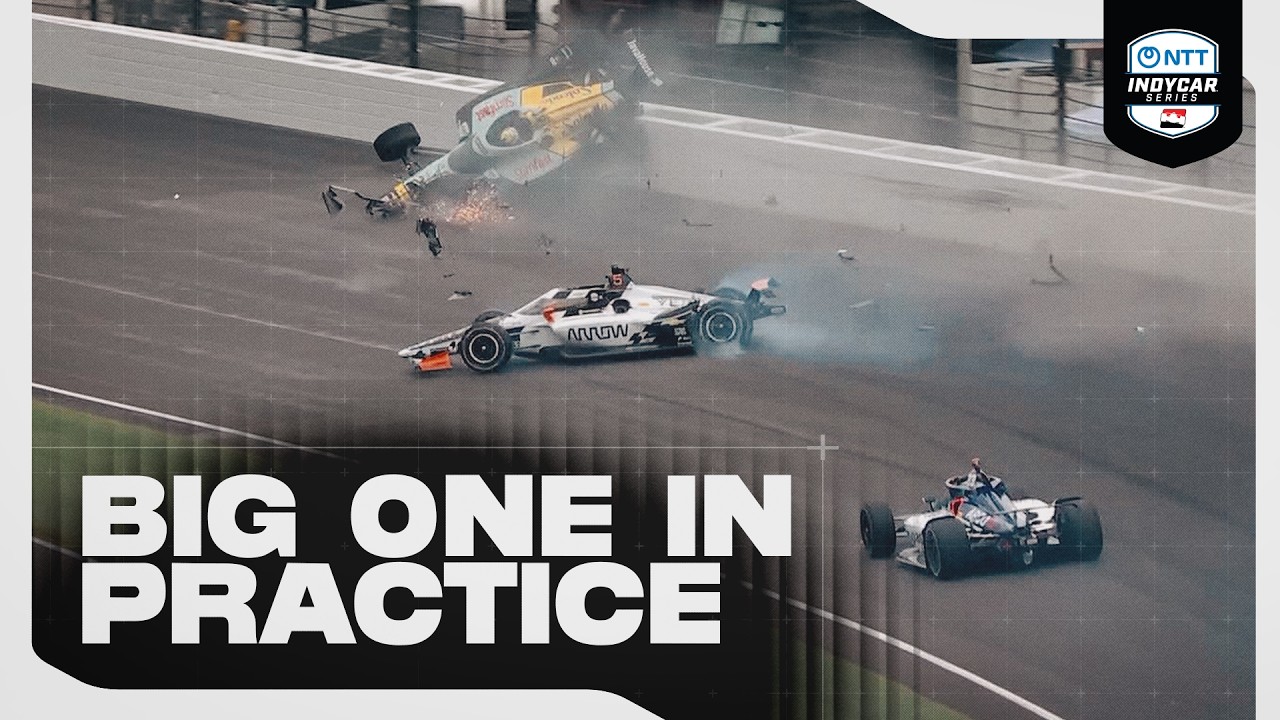
Alexander Rossi is plotting an Indianapolis 500 start from Row 11 after undergoing hand surgery on Tuesday, two days after the violent three-car Turn 2 incident that hospitalised the Ed Carpenter Racing driver and left both Pato O'Ward and Romain Grosjean nursing damage in Monday's practice session at Indianapolis Motor Speedway.
ECR confirmed the surgery was a corrective procedure on Rossi's left hand following the wreck, which began when Rossi's number 20 Chevrolet snapped sideways exiting Turn 2 and backed into the SAFER barrier with the impact ripping the rear off the car. O'Ward, running close behind, took avoiding action and clipped Rossi's stalled machine, while Grosjean was caught by debris as he completed his own evasive manoeuvre. The session was red-flagged immediately and Rossi was alert and conscious throughout the extraction, but the wait for the AMR Safety Team's mechanics to make the car safe stretched longer than veteran observers were used to seeing at IMS.
Industry data sites that monitor in-car telemetry registered impact speeds within touching distance of the most violent crashes in the track's history. Rossi remained at IU Health Methodist Hospital overnight Monday for observation before undergoing the hand operation on Tuesday, with the team subsequently confirming that bones and tendons in the hand had required surgical attention to restore grip strength in time for a race day still five days away.
The 34-year-old's first public reaction came on social media, where Rossi joked with team-mates and former rivals about a hospital meal-replacement Cracker Barrel run, an aside that drew an avalanche of teasing replies from the IndyCar paddock and confirmed in everyone's mind that the 2016 Indy 500 winner remained in good spirits.
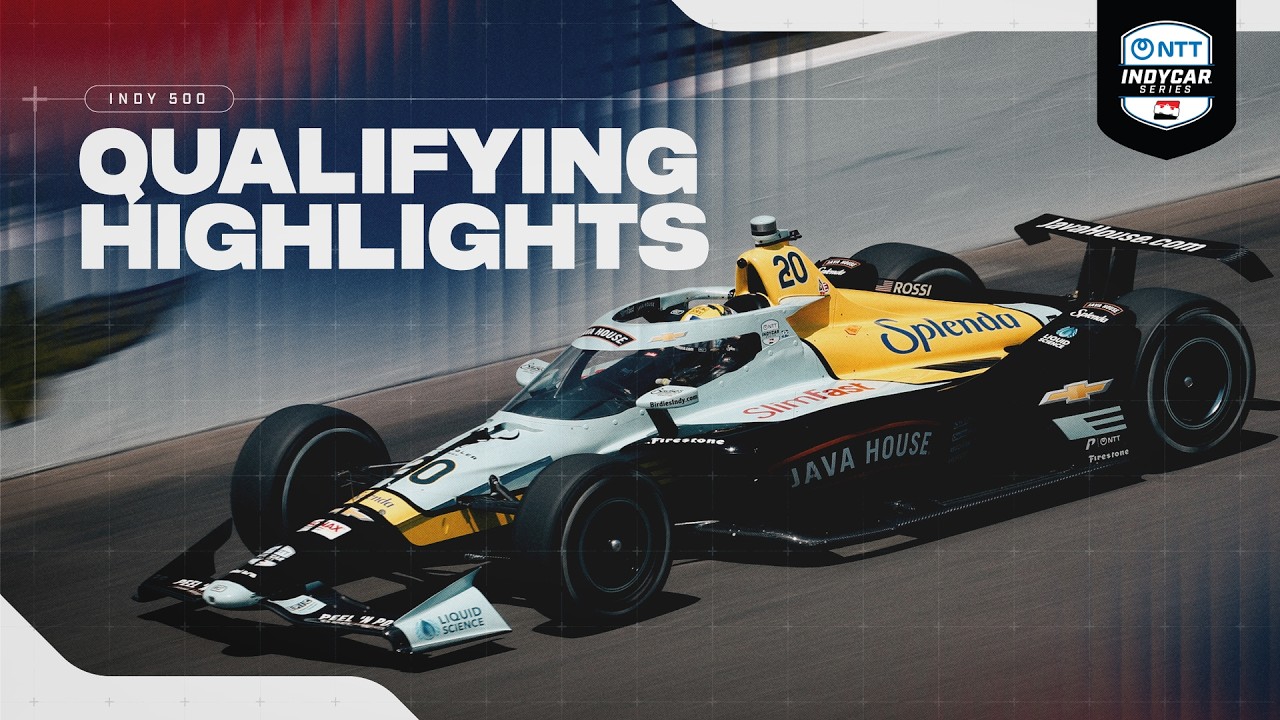
A Rossi restart was always going to be the trickiest part of his Indy 500 month. Ed Carpenter Racing qualified the No. 20 in row 11 — last on the 33-car grid — after a difficult Bump Day and now faces a sprint to fix or replace the chassis ahead of Carb Day on Friday. The team has confirmed it is working through both options, with a spare chassis being prepared as a contingency while Dallara inspects the damaged tub.
Inside the IndyCar paddock the recovery timeline is the central question. A 200-lap, 500-mile Indianapolis race subjects drivers to sustained lateral loads in the four-second corners and demands grip strength in the immediate run-up to pit lane lollipop signals and pit-stop adjustments. Rossi cleared an extensive functional fitness test in 2017 after a separate hand injury and the ECR camp has pointed to that history as a reason for cautious optimism. The decisive medical assessment will come on Friday morning when IndyCar Series doctors run their standard pre-race clearance checks before Carb Day's hour-long final practice.
The wider damage from the Monday wreck has rippled through the entire Indy 500 field. O'Ward's Arrow McLaren team rolled out the spare for Tuesday's brief running, while Andretti Global confirmed Grosjean's chassis required panel work but no major structural repair. Both drivers escaped without injury, leaving Rossi as the only Monday faller still navigating a medical bulletin.
For Rossi, the immediate stakes go beyond Sunday. Ed Carpenter Racing has built its 2026 programme around the Indianapolis 500 and the Chevy-powered marque has already shown headline pace through the practice week, with team-mate Christian Rasmussen running consistently inside the top 15. The fact that Rossi started the month optimistic about a strong race performance has only sharpened the disappointment around the wreck.
Weather forecasts for Sunday remain mixed, with an Indianapolis Star outlook flagging a chance of afternoon rain that could yet compress an already nervy build-up to the 110th running of the Indy 500. For ECR's number 20 the storm is already overhead, and the team will keep its hopes alive until Indianapolis Motor Speedway's medical sign-off makes the call official.