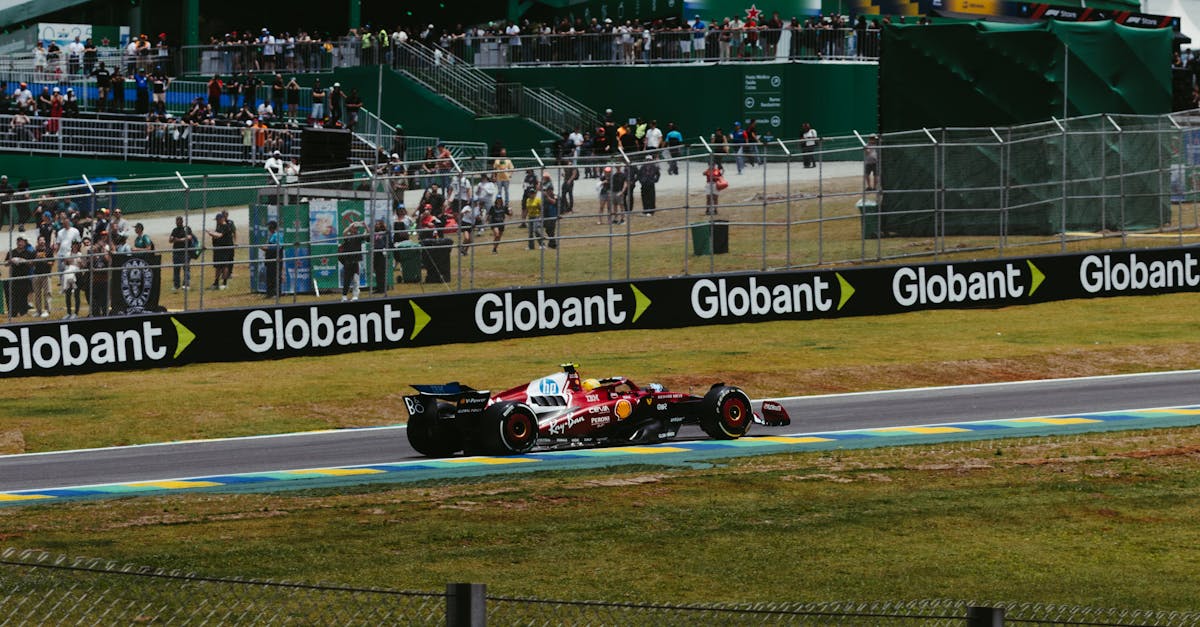
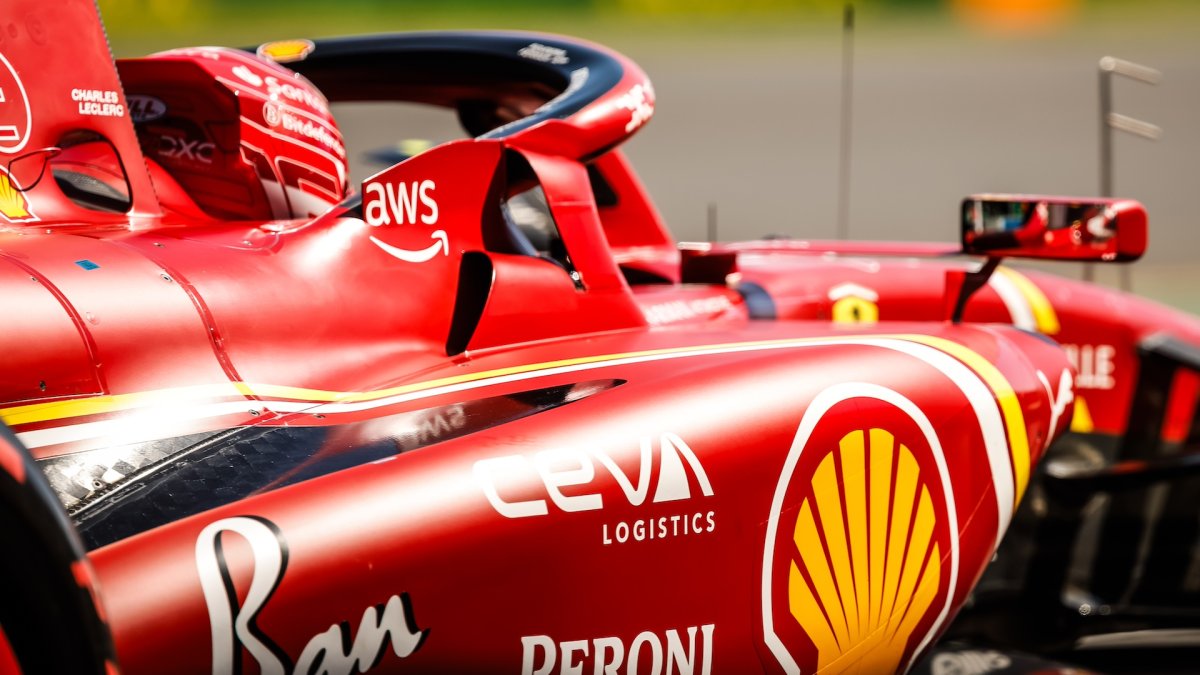
Formula 1 fans are eagerly anticipating the 2026 season, a pivotal time when new power unit regulations could disrupt the current dominance seen within the sport. Recent adjustments to these regulations aim to revitalize competition and enforce sustainability across teams. "These new regulations are a glimpse into the future of F1, focusing on both performance and eco-friendliness," noted a representative from the FIA.
"These new regulations are a glimpse into the future of F1, focusing on both performance and eco-friendliness,"
Central to the updated regulations is the continued emphasis on sustainable fuels. The engines will maintain their robust output of over 1,000 horsepower while utilizing efficient fuel sources. The integration of electrical components within the power units will further improve energy efficiency. This approach aligns the sport with broader environmental goals while ensuring exciting competitions.
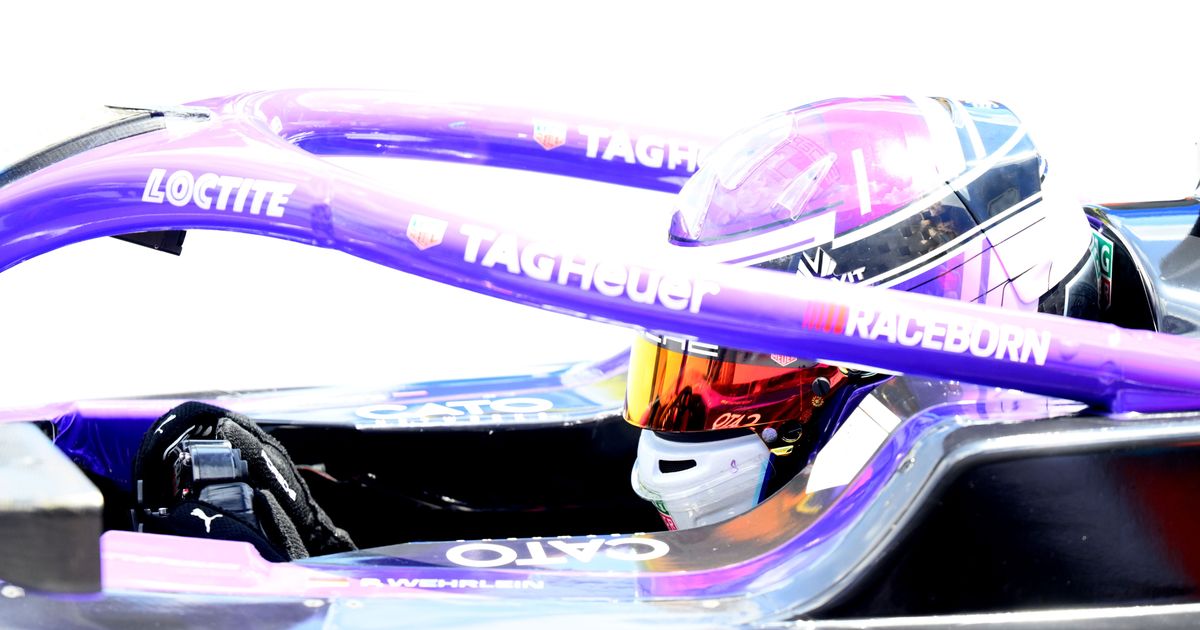
An eagerly discussed aspect of the revised regulations involves the introduction of an innovative feature called “override mode.” Although the engines will still produce 1,000 horsepower, the maximum output from the combustion element will decrease from 560 kW to 400 kW, translating to approximately 535 bhp. In contrast, the electrical component of the power unit will see an increase from 150 kW to 350 kW, equating to around 470 bhp. "Override mode will allow drivers to tap into a temporary burst of power, enhancing race dynamics and providing competitive moments on track," shared an engineer closely involved in the drafting of these regulations.
"Override mode will allow drivers to tap into a temporary burst of power, enhancing race dynamics and providing competitive moments on track,"

Team Dynamics
A notable addition to the technical regulations is the requirement for lambda sensors. Every power unit will now incorporate these sensors, specifically designed to improve fuel efficiency and emissions control. "Lambda sensors provide critical data that informs adjustments to the air-fuel mixture, enhancing performance as teams transition to sustainable fuels," stated a senior technical director at a leading F1 team.
"Lambda sensors provide critical data that informs adjustments to the air-fuel mixture, enhancing performance as teams transition to sustainable fuels,"
Team Dynamics
Essentially acting like oxygen sensors, these lambda sensors will gather vital information about air-fuel ratios and allow teams to optimize their configurations for improved sustainability. The move suggests that the FIA is keen on ensuring compliance with emissions standards and is closely monitoring teams' approaches to fuel management.
F1 aims to implement fuels derived from non-food sources, municipal waste, and even atmospheric elements. Yet, the exact formula for these fuels remains elusive, adding a layer of complexity to the switch. As teams adapt to these sustainable fuels, the lambda sensors will play a pivotal role in aligning fuel performance with environmental goals. "This is a step towards not just racing, but leading the way in automotive sustainability," remarked a member of the F1 Sustainability Committee.
"This is a step towards not just racing, but leading the way in automotive sustainability,"

The new power unit regulations were officially endorsed by the World Motorsport Council and made public on March 29, 2024. The FIA has made these regulations accessible directly on their website for those interested in the finer technical details, marking a significant shift in the regulatory landscape of Formula 1.
With the 2026 season on the horizon, teams will engage in rigorous preparation and adaptation to these new standards. The potential shake-up in competition dynamics might not only challenge current leaders like Red Bull Racing and Max Verstappen but also create opportunities for other teams to emerge as serious contenders. As regulations evolve, one thing remains clear: the future of F1 is set to be electrifying, sustainable, and full of surprises.